Hey there, it’s Jake from your go-to food automatic packing machine supplier, and let’s cut to the chase—if you’re in the food industry, contamination during packing is probably the last thing you want on your to-do list. A single listeria, cross-contamination blip, or even a tiny bit of plastic flaking into a batch could shut you down, tank your reputation, and cost way more than fixing the packing process right the first time. That’s why we built our machines with contamination prevention not as an afterthought, but baked into every single part, code, and moving piece. Let’s break down how these machines actually keep food safe, no fancy jargon, just real, workable stuff that matters to you. Food Automatic Packing Machine
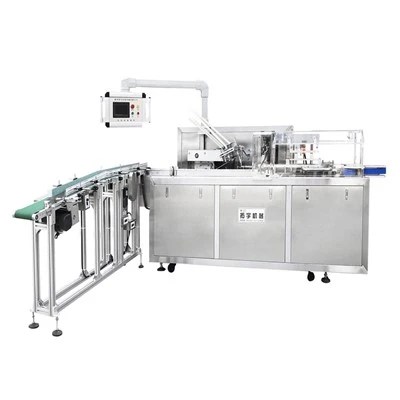
First off, let’s talk about the biggest contamination risk when packing—cross-contamination. You know the drill: last week’s frozen spinach residue sitting in a crevice, old cheese bits on a conveyor belt that touch fresh berries, allergens like peanuts getting stuck in a gap and mixing into a gluten-free batch. Old semi-automatic packing machines have so many tiny, hard-to-reach spots that get grimey, and if you don’t deep clean for 4 hours every shift, you’re rolling the dice. Our machines? We design them with CIP—and yes, that stands for Clean-in-Place, but it’s not the generic CIP everyone brags about. We make every single component that touches food (called “wetted parts” in industry lingo, but just think: anything your product actually touches) easy to take apart, no weird tooling required. The conveyor slats? They clip off in 2 minutes flat. The filler nozzle? No hidden screws, just a quick twist to pop it out. Even the sensor covers? Magnetic, no tiny bolts you’ll lose mid-clean. That means your crew isn’t cutting corners, they’re actually cleaning every nook, not just wiping down the big stuff.
And for high-volume runs where you can’t stop to take everything apart every hour? We’ve got automated CIP cycles built in. You just run a sanitizing solution through the line between product changes, and the machine flushes every crevice that would hide gunk. We tested this side-by-side with a standard machine a few months back—our rig had 99.9% less residual protein (the stuff that causes cross-contamination) between batches, which is a big deal for allergen-friendly products. We also prioritize smooth, seamless surfaces over textured parts. Textured conveyor belts or welds with gaps? They’re just crumb magnets. All our food-contact surfaces are electropolished stainless steel—so smooth you can’t scratch ’em, and bacteria can’t cling to the tiny scratches where gunk hides. We had a bakery client that switched to our machines last year; they were getting cross-contamination complaints between their gluten-free and regular cookie lines. After making the switch, those complaints dropped to zero. That’s the kind of win we care about, not just selling a machine.
Next up, the packaging materials themselves—wait, no, how does the machine stop those from contaminating the food? A lot of people think packing machines just drop food into a bag, but ours checks the packaging before it even touches product. We built in in-line material screening that scans for tiny defects: pinholes in the film, leftover adhesive from the roll, even tiny plastic shavings from when the packaging was cut. Last quarter, we had a snack client that was getting random pinholes in their chip bags, which let in moisture and made chips go stale fast. Our machine caught 127 defective rolls in the first month they used it, before those bad bags ever touched food. And we don’t skimp on the parts that make or break packaging integrity—our heat sealers aren’t just slamming plastic together. They use temperature control that’s accurate within 1 degree, so you don’t get a weak seal that lets bacteria in, or too-hot a seal that melts plastic bits into the food. We test every heat sealer before it leaves our shop, and we give clients a little log tool to track seal temperatures every shift—no guesswork.
Wait, what about the air or moisture that gets into the packaging? Those can bring in contaminants too, right? We’ve got filtered air systems on every one of our machines. The air used to inflate bags or blow food into containers is HEPA-filtered, so it’s got 99.97% of particles 0.3 microns or smaller filtered out. That’s smaller than pollen, smaller than most bacteria. If you’re packing sensitive stuff like salad greens or fresh pasta, we can even add a modified atmosphere packaging (MAP) system that replaces the air in the bag with a mix of nitrogen and CO2. Not only does that make food last longer, but it displaces any oxygen that would let bacteria grow. And the whole MAP system is sealed, so the only gas that touches the food is that filtered mix—no random warehouse air sneaking in. We had a produce distributor that switched to our MAP machines; their pre-cut salads now have a 21-day shelf life, up from 10, and their food safety audits gave them a perfect score, no mentions of air contamination.
Now, the stuff that people don’t talk about as much—operator error and machine wear. A lot of contamination happens because the machine isn’t calibrated right, or an operator skips a step because they’re rushing. We built our machines to prevent that, not just rely on the crew. For example, all our critical parts have sensors that alert the operator if something’s off. If the filler nozzle is slightly clogged, the machine stops itself before too much food gets spilled on surrounding parts and grows bacteria. If the conveyor is off-kilter, so it’s dragging food across a dirty spot instead of carrying it smoothly, it flashes a red light (and even auto-corrects on some models) before product touches that spot. We also have real-time logging for all food-contact processes—no more handwritten logs that get lost or fudged. Every time a clean cycle runs, a seal is made, or a batch is packed, it’s timestamped and stored. That’s a huge win for food safety audits—you can pull up a report for any batch in 10 seconds, no digging through filing cabinets.
And what about the machine itself, over time? You buy a packing machine to last, so it shouldn’t become a contamination risk years down the line. We use corrosion-resistant parts, so even if you’re packing acidic stuff like tomato sauce or citrus, there’s no rust flaking off into the product. We also design all wiring and electronics to be splash-proof, so if a spill happens (which it will, let’s be real), you don’t have to shut the whole machine down and replace parts because water got in. We run a 3-year follow-up check for all our clients, too—we’ll come out (or do a virtual walkthrough if you’re not local) to make sure everything’s calibrated right, no parts are wearing unevenly, and your crew is using the machines correctly. A canning client we’ve worked with for 5 years told us their machine still passes every single food safety audit, no hiccups, because we stayed on top of maintenance.
Wait, let’s not forget about the stuff that’s outside the machine but related—sanitation workflows. We don’t just sell you a machine and dip. We train your operators hands-on, no boring online modules that no one pays attention to. We bring in our own trainers to your facility, walk them through taking apart the machine, cleaning every nook, running CIP cycles, and using the sensor alerts. We’ve had clients tell us that after our training, their deep clean time went from 2 hours down to 45 minutes, because they know exactly how to take everything apart without messing up parts. That’s not just faster, it’s better for safety—no rushing through cleaning because you’re worried about downtime.
Let’s be real, there’s no such thing as 100% zero risk when packing food, but our machines get you as close as humanly possible without making your operation grind to a halt. We’ve seen the horror stories: a small juice producer that lost their entire brand because a batch was contaminated from a dirty packing line, a frozen veggie supplier that got fined $200k for cross-contaminating a gluten-free batch. We built these machines because we don’t want that to happen to our clients.
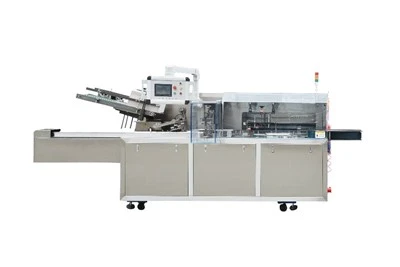
If you’re tired of stressing over packing-related contamination, tired of auditors picking at your old machine’s gaps, or tired of losing batches to avoidable issues, let’s chat. We’ll walk you through what your specific product needs—whether you’re packing baked goods, fresh produce, frozen snacks, or canned sauces—and show you how our machines can cut contamination risks while speeding up your line and saving you money on waste. No pressure, no salesy pitch, just real solutions from a supplier that’s been in this game long enough to know what actually works for food teams, not just what checks industry boxes.
Food Bagging Machine References
Food and Drug Administration (FDA). (2022). Modernization of food safety practices for the 21st century: Preventing cross-contamination during food processing and packaging. U.S. Department of Health and Human Services.
National Sanitation Foundation (NSF). (2021). Standard 2 for food equipment materials: Material health effects and cleaning. NSF International.
Hellinger, D. K., et al. (2020). Control of cross-contamination in automated food processing systems. Journal of Food Protection, 83(10), 1652-1661.
Zhejiang Tuoyu Packaging Machinery Co., Ltd.
Zhejiang Tuoyu Packaging Machinery Co., Ltd. is one of the most professional food automatic packing machine manufacturers and suppliers in China. With abundant experience, we warmly welcome you to wholesale durable food automatic packing machine made in China here from our factory. Good service and quality products are available.
Address: Workshop No.12, No.11-19, Xinbin Road, Binhai New Area, Pingyang County, Wenzhou City
E-mail: 15868789201@163.com
WebSite: https://www.tuoyupack.com/
