Hey everyone, if you’ve ever stood in a pharmacy aisle staring at rows of bandages and wound care pads, you know medical dressings aren’t just “band-aids”—they’re the unsung heroes of healing. As someone who’s been in the medical dressings supply game for years, I’ve heard so many people mix up terms and pick the wrong stuff for small cuts or even more serious wounds. Today, let’s break down the main types, keep it real (no stuffy jargon), and I’ll throw in what I’d tell any nurse, caregiver, or regular person grabbing supplies for a loved one. Medical Dressings
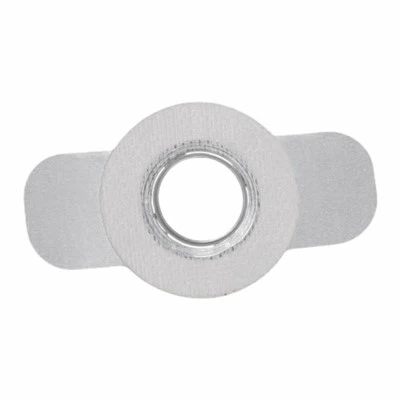
First off, let’s get the basics straight: a medical dressing isn’t just something to cover a wound—it’s designed to protect it, keep it moist (super important for faster healing, by the way), absorb gunk like pus or excess fluid, and even prevent infection. Picking the wrong one can slow healing or make things worse, so that’s why knowing the types matters. Let’s dive in.
Starting with the most common ones you’ll see everywhere—gauze dressings. These are the old reliables, right? I’m talking about the flat woven or non-woven pads, the rolls, even the sponges you see in every first-aid kit. Woven gauze is the classic, but it’s a bit rough, so it can stick to wounds if they’re oozing a lot (ask any nurse who’s had to peel it off a sore—yikes). Non-woven gauze is softer, doesn’t stick as bad, and is cheaper, which makes it great for general, light wounds like a small scraped knee or a cut from cooking. Wait, but there’s also gauze sponges with those little X-rays threads in them—super important for surgical wounds, because if a piece breaks off and gets left inside, doctors can spot it easily. I see a lot of people skip those for home use, but if you’re cleaning a deep cut, it’s worth grabbing the ones with the marker just to be safe.
Next up: adhesive dressings, aka band-aids (yeah, that’s the brand name everyone uses, so don’t @ me). These are the thin, sticky pads with an adhesive border—perfect for tiny, minor wounds. But here’s the thing: not all band-aids are the same. You’ve got the regular plastic ones for small cuts, the fabric ones that stretch a bit so you can move your hand or finger without them peeling off, and even the ones with antiseptic in them (wait, hold on—some people think putting antiseptic on a cut is good, but actually, too much can irritate tissue. Those medicated band-aids are meant for specific cases, not every tiny scrape). We also do these clear adhesive film dressings, sometimes called “transparent film” ones—they’re thin, you can see the wound through them, and they’re waterproof. Great for covering a blister on your heel when you’re hiking, or an IV site on an arm, but they don’t absorb much fluid, so don’t use them on oozing wounds.
Now, the ones for when things are a little more serious—foam dressings. These are the squishy, sponge-like ones I swear by for more painful, oozing wounds. They hold a ton of excess fluid (serous drainage, pus, all that stuff) without getting soggy and falling apart, and they keep the wound moist. A lot of pressure sores, surgical wounds, or diabetic ulcers use foam dressings because they cushion the area too—no more rubbing the sore spot against clothes or a bed. Some foam ones have a thin layer of silicone on the side that touches the wound, so they don’t stick at all when you change them. I’ve had nurses tell me those are game-changers for patients with sensitive skin or really painful wounds—no more tearing off skin every time you do a dressing change. We stock different thicknesses too: thin ones for small, shallow oozing wounds, thick ones for deep, heavy-draining ones. That’s a detail most people don’t think about, but it makes a huge difference.
Then there’s hydrocolloid dressings—these are the gel-like, sticky ones that look kind of like a thin, flexible patch. You’ve probably seen them for blisters or acne, but they work for way more. When they sit on a wound, they absorb a little fluid and turn into a gel, which keeps the moist environment doctors talk about. They form a seal so you can shower or swim with them on, and they don’t need to be changed as often—some can stay on for 3 to 7 days, which is a win for busy people or patients who hate frequent changes. Wait, but caveat: don’t use them on wounds that are really oozing a lot, because they can get too saturated and leak. Also, you need to take them off if the seal breaks or the wound starts smelling, because that could mean infection. I’ve had customers ask me if they can use these on a deep cut, and my answer is almost always no—save hydrocolloids for small, shallow wounds or blisters.
Hydrogel dressings are the ones that are basically water-based gels, sometimes in a sheet or a tube you can squeeze directly on a wound. They’re cool and soothing—perfect for burns, right? Or really dry, painful wounds that aren’t oozing much. The gel hydrates the wound, which helps with pain and removes dead tissue (debridement, if you want the fancy word, but I’ll just say it softens the gunk so it comes off easier). A lot of people with diabetic wounds or bed sores love these because they take the edge off the constant pain. But here’s the catch: hydrogels are super wet, so they need a secondary dressing (like gauze or foam) to cover them and absorb excess fluid. You can’t just slather gel on and leave it—trust me, I’ve seen that go wrong. We also do some hydrogel sheets that are pre-cut, so you don’t have to make a mess with a tube—those are great for home use.
Wait, I can’t forget about alginate dressings—these are made from seaweed, yes, actual brown algae. They’re for heavy-draining wounds, like surgical incisions that are oozing a lot, or ulcers. When they touch fluid, they turn into a soft gel that absorbs way more than foam dressings—like, way more. They’re also gentle on the wound, so they don’t damage healthy tissue when you change them. A lot of wound care nurses swear by these for deep, draining wounds because they keep the area from getting too wet (which can cause skin irritation around the wound). One thing I love about alginates is that they don’t stick to the bed or sheets, so patients don’t wake up with their dressing stuck to the mattress—huge plus. We usually have them in rope form for deep wounds (you can stuff the rope into the gap) and flat pads for wider drainage areas.
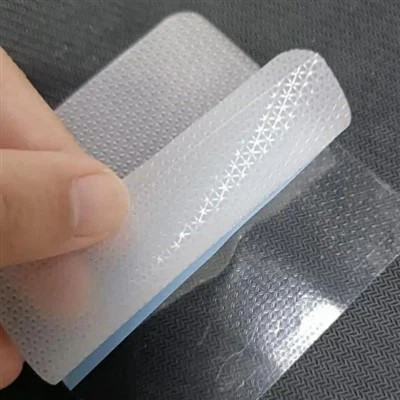
Then there’s silicone dressings—these are the fancy ones for scar care, mostly. They’re made of medical-grade silicone, soft, flexible, and have adhesive that’s gentle on skin (way less irritating than regular adhesive, which is great for people with sensitive skin or kids). They’re used for healing wounds that are forming scars—like after surgery, a burn, or a big cut. They keep the scar moist, reduce itching and redness, and even flatten the scar over time. A lot of dermatologists recommend these, and we sell a lot of them for post-surgery patients. The only downside? They’re a little pricier than other dressings, but they’re reusable if you clean them properly (just gentle soap and water, let them air dry) so they last a while. I always tell customers if they’re dealing with a big scar that’s being annoying, these are worth the extra cash.
Oh, and let’s not mention the specialized ones—like antimicrobial dressings, which have stuff like silver or iodine to fight infection. These are for wounds that are at high risk of getting infected, like dirty cuts (say, you step on a nail) or surgical wounds. The silver ones are super popular because they don’t irritate the wound as much as iodine-based ones, and they work for longer. We also have negative pressure wound therapy (NPWT) dressings, which are used in hospitals for really bad wounds—they use a vacuum to suck out excess fluid and help heal faster. But those are for medical professionals mostly, so regular people won’t need to grab those from the pharmacy.
Wait, a common mistake I see people make: using the wrong dressing for the wrong wound. Like, putting a clear film dressing on a heavily oozing cut—you’ll end up with fluid leaking everywhere, and the wound won’t heal right. Or using a hydrocolloid on a deep, dirty cut—you’re trapping gunk inside, which is a recipe for infection. The rule of thumb I always tell people: if the wound is oozing a lot, go for foam or alginate. If it’s small, dry, and minor, adhesive band-aids or gauze work. If it’s painful and dry, hydrogel. And if you’re not sure? Ask a nurse or a supplier (wink, that’s me) instead of guessing.
As a medical dressings supplier, I’ve seen first-hand how picking the right dressing makes all the difference. I’ve had customers come back saying a certain foam dressing stopped their mom’s bed sore from getting worse, or a hydrocolloid patch fixed a blister that would’ve ruined their hiking trip. It’s not just about selling products—it’s about making sure people get what they need to heal. No fluff, no overpriced stuff that doesn’t work.
If you’re a nurse stocking your clinic, a caregiver picking supplies for a patient, or someone just trying to take care of a wound at home and feeling overwhelmed by all the options, hit us up. We can help you figure out exactly what kind of dressings work for your situation—whether that’s a bulk order for a hospital, individual packs for home use, or specialized dressings for a tricky wound. No pushy sales stuff, just real advice based on what actually works.
Medical Silicone Gel Adhesive Now, let’s get the refs straight, since I know some of you will want to fact-check this (I get it, I used to work in wound care before I started this gig). Here’s the science behind what I talked about:
- Wound Healing Essentials: The Role of Dressing Selection – WOCN (Wound, Ostomy, Continence Nurses Society) Clinical Practice Guidelines
- Types of Medical Dressings and Their Indications – American College of Surgeons (ACS) Wound Care Resource Guide
- Moist Wound Healing: A Review of the Evidence – Journal of Wound, Ostomy, and Continence Nursing, 2021
- Alginate Dressings: Composition, Properties, and Clinical Applications – International Journal of Lower Extremity Wounds, 2019
- Silicone Dressings for Scar Management: A Systematic Review – Dermatologic Surgery, 2020
Shenzhen Omori Biological Technology Co., Ltd.
We’re well-known as one of the leading medical dressings manufacturers and suppliers in China. We warmly welcome you to wholesale high quality medical dressings made in China here from our factory. If you have any enquiry about customized service, please feel free to email us.
Address: Floor4, No43, Langkou Industrial park, Dalang Street, Longhua District, Shenzhen City, Guangdong Province, China
E-mail: wya@omorimed.com
WebSite: https://www.omorimed.com/
