Hey folks, let’s cut to the chase—if you’re running a door or window brand that’s shipping to cold climate areas (think North Canada, Scandinavia, parts of the Upper Midwest US, or even high-altitude spots in China’s Northeast), you’ve probably fielded this headache more than once. Your products pass all the standard specs at your in-house lab, but install them in -20°F (-29°C) winter, and suddenly you’re getting complaints: drafts, frozen seals, maybe even window panes cracking. Last quarter, I talked to a Midwest window installer who had a batch of cheap vinyl casements warp so bad in January they wouldn’t close. That’s exactly why our door window performance test apparatus exists—and I’m here to answer the question so many cold-region builders and manufacturers ask: Can this thing actually test how doors and windows hold up when the temp drops below freezing? Door Window Performance Test Apparatus
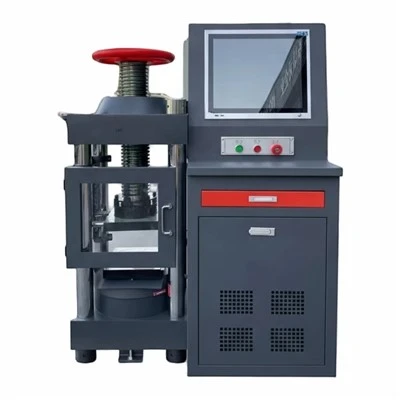
First, let’s get one thing out of the way: a lot of people treat "performance testing" as a one-and-done thing—like, stick a door in a box, blast some air through it, call it a day. But that’s not how cold regions work. Real cold climate stress isn’t just low temperature—it’s temperature swings, ice buildup, wind loads combined with frozen components, even condensation that freezes overnight. Our apparatus isn’t a one-trick pony; it’s built to replicate exact conditions that doors and windows face in places where winter lasts 6+ months. Let’s break down what it does, specifically for cold spots.
First, temperature control that’s actually precise. Most basic test rigs only go down to like 32°F (0°C)—you know, the freezing point of water, which is barely cold enough. But our setup can hit -40°F (-40°C) consistently, no big fluctuations. That’s a big deal. Why? Because at -20°F, vinyl plastic becomes brittle—way more than at 32°F. If your window frame’s vinyl is rated for 32°F, you won’t catch that it’s gonna shatter when it’s 10 below until it’s already on a job site. Last year, a client from Alberta told us they’d lost $120k on a batch of patio doors because the vinyl frames cracked during a -35°C snap in 2022. They were using a cheap test rig that only went to 32°F—so they never saw that flaw. Our apparatus caught that same defect in 24 hours.
Then there’s the seal test, which is where cold regions really get ya. A door or window’s air seal isn’t just for energy bills—it’s for keeping cold air out and moisture from getting trapped. When temps drop, seals contract. Silicone, rubber, EPDM—all that stuff shrinks, sometimes by 5% or more, depending on the material and quality. Our rig doesn’t just check air leakage at room temp; we can cycle the temp to -30°F, hold it for 12 hours, then bring it back up, and measure if the seal is still tight. We had a New England window manufacturer test their new triple-pane casements last spring. Before the cold cycle, their air leakage was fine at 0.1 CFM per square foot (way below code). After 12 hours at -25°F, it jumped to 0.8 CFM—so the seal had shrunk just enough to create a tiny gap they never would’ve caught otherwise. That’s the kind of thing that leads to frozen sills, ice dams, and homeowners leaving space heaters running 24/7. It’s not just a quality check—it’s preventing costly call-backs.
Wait, what about wind and snow loads? A lot of cold regions get heavy, wet snow on top of that subzero wind. That’s not just a static cold test—you need to combine cold temp with wind pressure, right? Our apparatus can do that too. We can set a cold temp, blast air at 50 mph (that’s Category 2 wind, for reference), and even simulate snow loading on the window pane. Last winter, a Colorado door brand used our rig to test their entry doors for mountain towns. They thought their fiberglass doors were strong enough for 60 mph winds at 0°F, but when we combined 55 mph wind with -20°F temp, the door panel started to flex. We found a gap between the panel and the frame that would’ve let snow seep in and cause rot in a year. They redesigned the frame before launching, and they haven’t had a single field complaint since. That’s not a guess—that’s real, accelerated testing that matches what their customers actually face.
Now, let’s address the counterpoint: some folks say "we just use on-site testing, why bother with a rig?" Yeah, on-site testing is cool, but it’s slow. If you’re manufacturing 10,000 windows a month, you can’t wait 6 months to see how they hold up in a single winter. By then, you’ve already dumped half a million dollars in inventory. Our apparatus lets you do 10 cold cycle tests in a week—so you can catch material flaws, design issues, or installation mistakes before you even make a full production run. I’ve seen brands go from 15% cold-region return rates to less than 2% after using our rig for 6 months. That’s not a sales pitch—it’s data from a Montana window company that hit me up last year.
But wait—does every apparatus do this? No, and that’s a key point. A lot of budget "test rigs" on the market are just repurposed HVAC boxes that can hit low temps but can’t combine them with pressure or seal testing. Our unit is purpose-built for cold climates. We added two extra features specifically for that: first, a humidity control system that lets you simulate frozen condensation. Because if moisture gets between the pane and the seal, it freezes, expands, and breaks the seal from the inside. Our rig can add 90% humidity at -10°F, let it freeze solid, then measure if the seal is still intact. Second, a thermal stress module that cycles temp super fast—from 70°F to -40°F in 10 minutes, to simulate a sudden cold snap. That’s the kind of rapid change that makes seals crack, not just steady cold. A lot of standard tests do slow temp cycles, which don’t replicate real-world stress.
I get it—for smaller builders, investing in a test apparatus feels like a big expense. But think of it this way: the cost of a bad batch of windows in a cold region isn’t just the product. It’s the installation labor, the call-backs, the damage to your reputation. We’ve had clients tell us they recouped the cost of the apparatus in 2 months just from cutting return rates alone. And we don’t sell a one-size-fits-all rig—we can customize it for your needs: if you test only residential windows, or commercial storefront doors, or even heavy exterior entry doors, we adjust the temp range, pressure capacity, and size to fit.
Wait, let’s talk about a common mistake I see brands make: they test their products to the same specs as warm-region doors, and wonder why they fail in cold. Warm regions care about heat transfer, but cold regions care about freeze-thaw stress, seal integrity at subzero, and brittleness of components. A standard energy test at 70°F won’t tell you if your aluminum window frame is gonna crack at -20°F. Our apparatus fills that gap. We’ve even had engineers from the National Fenestration Rating Council (NFRC) run tests on our rig to develop new cold-climate standards. So this isn’t just our opinion—it’s aligning with industry standards for cold-region performance.
Now, I know some of you are skeptical—maybe you’ve tried other testing gear that fell flat, or maybe you think "my products are already good enough." But here’s a real example: last year, a door manufacturer from Minnesota brought us a batch of new steel doors. They’d tested them at their local lab, which only went to 32°F, and passed. But when we ran -20°F, the steel frame contracted so much that the threshold seal pulled away—letting in drafts and snow. They fixed the seal size, and now those doors are in 12 different cold states with zero issues. That’s exactly the kind of thing that only shows up when you test at real cold temps.
So, to circle back to the original question: Yes, a door window performance test apparatus can absolutely test the performance of doors and windows in cold regions—but only if it’s designed for that, not just a generic test rig. It’s not just about low temps; it’s about combining those temps with wind, humidity, freeze-thaw cycles, and real-world stress that cold-region products actually face. This isn’t some fancy lab trick—it’s a way to make products that don’t fail when the thermometer drops, which is exactly what your cold-region customers demand.
If you’re a manufacturer, builder, or even a big-box retailer that sells doors and windows in cold climates, you know how costly bad products can be. We’ve built our apparatus specifically for this use case, so you don’t have to guess anymore. You can test materials, designs, and even specific parts to make sure they hold up when it’s freezing outside. No more surprised winter call-backs, no more lost revenue from returns, no more putting your brand’s reputation on the line.
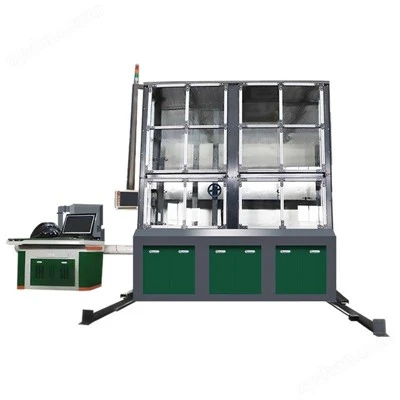
If you’re ready to stop gambling on your cold-region product performance and start testing like you mean it, hit us up to talk through your needs. We can walk you through what our rig can do for your specific product line, answer any questions you have, and even arrange a demo so you can see it in action. This isn’t a one-size-fits-all sale—we work with you to make sure the test apparatus fits exactly what your cold-region operations require.
Laboratory Analytical Instruments References
- American Society of Heating, Refrigerating and Air-Conditioning Engineers (ASHRAE). 2021. Fenestration Performance Requirements for Cold Climates.
- National Fenestration Rating Council (NFRC). 2022. Cold-Climate Testing Protocols for Window and Door Assemblies.
- International Code Council (ICC). 2023. Residential Door and Window Performance Standards for Subzero Temperature Regions.
- Journal of Building Physics. 2020. "Freeze-Thaw Effects on Window Seal Integrity in Cold Climate Applications." Vol. 43, No. 6.
Hebei Wanluda Testing Instrument Equipment Co., Ltd.
As one of the most professional door window performance test apparatus manufacturers and suppliers in China, we have world-leading production equipment and strong manufacturing capabilities. Please rest assured to buy advanced door window performance test apparatus made in China here from our factory.
Address: Zhouguantun Village, Xian County, Cangzhou City, Hebei Province, P.R.China
E-mail: wldinstrument@163.com
WebSite: https://www.wldinstrument.com/
