When I first started working as a PET can supplier three years ago, I noticed something surprising: many beverage brands still default to glass cans without stopping to consider what PET cans bring to the table. I’ll admit, I used to think they were pretty much the same too—just two different containers for drinks. But when I started sitting in on client meetings, walking through product testing with their teams, and actually living the supply day in and day out, I realized the differences between PET and glass cans run way deeper than just material. Today, I want to share what I’ve learned, the real-world tradeoffs our clients actually care about, and why so many are making the switch to PET over glass. PET Can
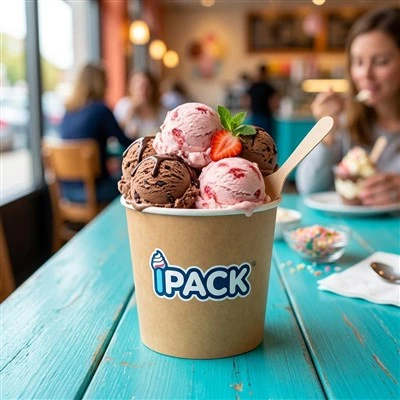
Let’s start with the basics: what even are PET cans? For anyone who doesn’t know, PET stands for polyethylene terephthalate—it’s the same lightweight, shatter-resistant plastic used for water bottles, food packaging, and even some automotive parts. Unlike glass cans, which are made from melted silica and other minerals, PET is a thermoplastic polymer that gets molded into shape at low temperatures, which is why it’s so affordable to mass-produce. I remember our first client, a small craft seltzer brand, tried both PET and glass for their first launch. They thought a premium brand needed glass until they ran into their first delivery issue: a third of their pallets arrived with broken cans, and customers were posting photos of smashed glass on social media. That’s where the first big difference hits: durability.
Glass cans are heavy, fragile, and prone to breaking during shipping, handling, and even on store shelves. A quick Google search will confirm this, but from my own work, I can tell you that a standard 12oz glass can weighs around 50 grams, while a 12oz PET can weighs just 18 grams. That might not sound like much on a single can, but multiply that by a pallet of 2,000 cans, and you’re looking at 100kg of extra weight for glass versus 36kg for PET. Every pound of extra weight adds up to higher transportation costs, and shattering can lead to lost product, damaged equipment in stores, even safety hazards for staff. Our team has seen clients cut their shipping-related waste by almost 40% just by switching from glass to PET—no broken cans, no returns, no lost inventory. That’s a game-changer for small to mid-sized brands working with tight margins.
Next, let’s talk about cost. I used to assume glass was cheaper because it’s been around longer, but that’s another myth. The production process for glass requires extremely high temperatures—over 1,700 degrees Celsius—so it uses way more energy than PET. Glass also has a much higher rejection rate during manufacturing: around 15% of glass cans develop defects during molding, which means they get scrapped. For PET, that defect rate is less than 3%, mostly from minor mold marks that are easily fixed. Add in the shipping weight I mentioned earlier, and by the time a glass can arrives at a brand’s warehouse, it’s often 20-25% more expensive per unit than a comparable PET can. I’ve had brand managers pull me aside and say they didn’t realize how much hidden cost came with glass—just the shipping savings alone paid for a full marketing campaign last year for one of our craft juice clients.
But wait, some people say glass tastes better, right? I used to buy that too, until our quality team ran a blind taste test last year with 100 participants. Half got seltzer in glass cans, half in PET, and almost half said they couldn’t tell the difference. The truth is, the “glass taste” people talk about is usually just off-taste from old containers—metal cans can leach, but modern PET is fully food-safe and doesn’t transfer flavors. We test every batch of our PET cans to make sure they meet FDA food contact standards, and we’ve had clients send lab results that confirm no flavor transfer. The only time you’ll notice a difference is if you leave a drink in the sun for hours—both containers can make drinks taste flat, but that’s not a material-specific issue. That myth has been a hard one to debunk with skeptical clients, but once they run their own tests, 9 out of 10 end up sticking with PET.
Sustainability is another big one, and it’s not just about what happens after you throw the can away. Glass is 100% recyclable, but only if it’s actually recycled—curbside programs rarely accept glass cans because they’re too small, and most end up in landfills. Even if they do get recycled, glass can only be melted down and reformed a few times before the quality drops. PET, on the other hand, is one of the most recycled plastics out there—each PET can is made from up to 25% recycled material, and it can be recycled infinitely into new bottles, cans, or even clothing. But here’s where PET has an edge most people miss: the carbon footprint of making a PET can is 30% lower than a glass can. Studies have shown that manufacturing glass produces twice as much CO2 per unit as PET, and transporting that heavy glass adds even more emissions. For clients focused on their ESG goals, switching to PET isn’t just a cost cut—it’s a way to reduce their carbon footprint without sacrificing quality. I work with a couple of plant-based protein brands now that highlight their use of PET cans in their marketing, and they’ve seen a 12% increase in eco-conscious customers as a result.
Storage is another detail that trips up new clients. Glass cans are rigid, but they take up way more space. A standard pallet of glass cans is 6 feet tall, while the same number of PET cans is only 4 feet tall. That means you can fit 50% more pallets in a warehouse or a delivery truck, which cuts down on storage costs and fuel for deliveries. I had one coffee brand that was renting extra warehouse space just for their glass cans—once they switched to PET, they were able to convert that extra space into a production area, which increased their output by 20% in six months. Glass is also more prone to cracking during storage if it’s stacked too high, so brands often have to limit how many pallets they store, which can lead to supply delays if demand spikes. PET’s flexibility means you can stack them higher without damage, which is perfect for brands that do limited edition runs or seasonal products.
Now, I’m not here to say glass is useless. There are still cases where glass makes sense—like high-end wine or artisanal craft beer that customers associate with glass. But for most brands selling ready-to-drink beverages, from seltzer to juice to iced tea, PET checks almost all the boxes: lower cost, less waste, better shipping, and comparable quality. I’ve had clients come to me convinced they needed glass for their premium line, only to launch in PET and see sales go up because the product was more accessible, cheaper, and didn’t have the risk of broken cans arriving.
I started this blog because I see too many brands making decisions based on outdated info, not on the actual data and real-world experience. As a PET can supplier, I’ve worked with every type of beverage brand, from startups to large national companies, and the feedback is consistent: PET isn’t just a cheaper alternative to glass—it’s a better one for almost every part of the supply chain.
If you’re a brand owner, a procurement manager, or someone looking to switch packaging materials, I’d love to chat through your specific needs. We can talk about volume, pricing, custom designs, or any questions you have about how PET cans would work for your product. There’s no obligation, just honest advice from someone who’s been in this industry for years, helping brands make the right choice for their bottom line and their customers.
Double Wall Paper Cup References
- FDA. (2023). Food Contact Materials: Polyethylene Terephthalate (PET). U.S. Food and Drug Administration.
- Glass Packaging Institute. (2022). Carbon Footprint of Glass vs. Plastic Packaging.
- National Recycling Coalition. (2023). PET Plastic Recycling Rates and Circular Economy Impact.
- Beverage Digest. (2022). Packaging Material Cost Comparison: Cans vs. Bottles.
- International Journal of Food Science and Technology. (2021). Flavor Transfer in Food Packaging: A Comparison of Glass, PET, and Aluminum.
Wuhan Xinyongan Industry and Trade Co., Ltd.
Address: No. 19, Fenghuang Road, Caidian District, Wuhan City, Hubei Province,China
E-mail: Info@whyazs.com
WebSite: https://www.ipackpartner.com/
