If you’ve been researching ways to cut down on rising energy bills, or want to have a reliable power source for those unexpected outages, you’ve probably come across Pay As You Go (PAYG) battery systems. These systems are a game-changer for a lot of homeowners—no big upfront cost, flexible payment plans, and you only pay for the energy you actually use from the battery. One question I get asked at least a dozen times a day is: Can I install one of these myself? Today, I’m breaking down everything you need to know, straight from the perspective of someone who’s been selling and supporting these systems for over four years, so you get real, on-the-ground answers, not generic sales fluff. Pay As You Go Battery System
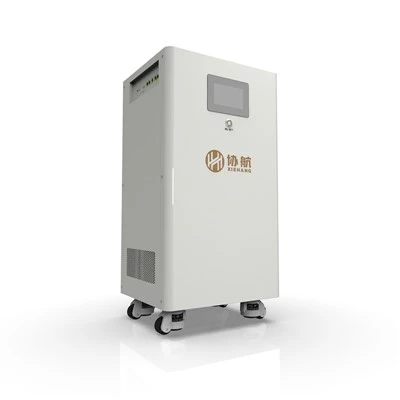
First, let’s get one thing straight: I’m not going to tell you it’s impossible. Plenty of DIYers have installed our PAYG batteries themselves, saved on installation costs, and have been happy with the results. But I’m also not going to sugarcoat it—this isn’t like hanging a new shelf or swapping out a light fixture. There are safety risks, building code rules, and technical hoops you have to jump through that make DIY installation a choice, not a given. Let’s start with what makes PAYG battery systems different from the regular lithium-ion batteries you’d buy at a hardware store. Our systems are specifically designed for homes: they come pre-programmed to work with our app, they have built-in safety features (overcharge protection, short-circuit shutoffs, overheating alarms), and they sync with your home’s solar panels (if you have them) or grid to charge when rates are low. But those pre-programmed settings also mean you can’t just plug them in and go—there’s a wiring and sync process that’s easy to mess up if you don’t know what you’re doing.
Let’s talk about the safety side first, because this is non-negotiable. Home electrical work, no matter how small, carries real risks. Lithium-ion batteries, which is what all modern residential batteries use, store a lot of energy—way more than a car battery. If you wire them wrong, you could cause a short circuit, which might start a fire, or get a nasty electric shock (even fatal, if you’re working with 240-volt wiring, which most home battery systems use). I’ll never forget a customer who tried to install our first-gen system on his own a couple of years back. He skipped the ground wire because he said “it was just extra,” and when a storm rolled through, the battery fried his fridge and smart thermostat. He wasn’t hurt, but he spent $1,200 replacing appliances and had to pay a licensed electrician to come fix his wiring. That’s the kind of story that makes me cringe, because he tried to save a few hundred bucks on installation and ended up paying way more.
But safety isn’t the only factor. There’s also the legal and code stuff. Almost every municipality in the U.S. (and most countries) requires that any electrical work that connects to your home’s main panel is done by a licensed, insured electrician. Why? Because building codes exist to prevent fires, protect utility workers, and keep neighborhoods safe. If you install a battery system yourself and something goes wrong—say, it causes a fire that spreads to your neighbor’s house—your home insurance might deny the claim if they find out you did unpermitted electrical work. We’ve had that happen to a customer in Ohio last year. He installed his PAYG battery without pulling a permit, a loose wire caused a small electrical fire, his insurance refused to cover the damage, and he had to cover the $8,000 cost out of pocket. That’s a huge wake-up call. Even if you don’t have a big incident, selling your home later could be a problem. Most home inspectors will flag unpermitted electrical work, and buyers will either ask you to fix it at a steep discount or walk away entirely.
Now, let’s get to the part that DIYers care about: what are the actual steps for DIY installation, if you’re qualified? First, you need to have some basic electrical knowledge. I’m talking about being comfortable working with 240-volt circuits, reading wiring diagrams, and knowing how to safely shut off your home’s main power (and double-check that it’s off with a voltage tester—this is non-negotiable, by the way). You’ll also need to pull the required permits from your local building department. Skipping the permit is how you end up with insurance and home sale headaches, so don’t cut that corner.
The hardware part is actually pretty straightforward with our PAYG systems, because we package everything you need in a DIY kit: the battery unit, wall mounts, wiring harness, disconnect switch, and a step-by-step guide with photos and QR codes that link to video tutorials. The wiring process is: mount the battery in a cool, dry place (never near flammables like paint cans or gas lines), run a dedicated circuit from your home’s main electrical panel to the battery, connect the disconnect switch (this is critical for safety—you have to be able to turn the battery off quickly if there’s a problem), then connect the battery to the panel. Then comes the sync part: download our app, follow the steps to pair the battery to your Wi-Fi, calibrate it so it knows your home’s energy use, and set up your PAYG account. That last part is the easiest—we have a 24/7 support line for anyone who gets stuck, even DIYers.
But here’s the catch: not everyone can do that. If you’ve never worked with home wiring, or you’re not comfortable with ladders, or you’re not sure how to use a voltage tester, DIY installation is a bad idea. Even some people who have worked on their own cars or fixed other household items underestimate how different home electrical work is from small-scale projects. I once had a customer who was a car mechanic try to install his battery—he wired the positive and negative lines backwards, which fried the battery’s internal charger. He had to wait three days for a replacement, and missed out on lower energy rates because the battery wasn’t charging correctly. That’s a waste of time and money for something that could’ve been avoided by hiring a pro.
Now, let’s talk about the pros and cons of DIY installation for our PAYG systems, to give you a clear picture. The pros: you save on installation costs, which usually run between $500 and $1,000 depending on your location. If you’re handy, you can do it in a single weekend, and you get full control over the process. The cons: risk of injury or property damage, risk of insurance or code issues, and if you mess up the sync, you might not get all the features of the PAYG system—like auto-charging during off-peak hours or emergency backup power. Also, if you have a solar panel system, DIY installation is even trickier, because you have to sync the battery to your inverter, which has its own set of technical rules. We always recommend having a solar-competent electrician do that part, even if you’re handy.
Wait, but what if I’m torn? What if I want to save money but also want to do it safely? Let me give you a middle ground that I actually recommend to most customers: partial DIY, or working with a licensed electrician who has experience with our PAYG systems. For example, you can do the unboxing, mount the battery, and pre-wire the area (if you’re comfortable) so the electrician only has to do the main panel connection, pull the permit, and test the system. That way, you save a chunk of money on labor, you get the safety and code compliance of a pro, and you don’t have to risk big mistakes. We even have a list of preferred electricians in every state who are trained specifically to install our PAYG systems—they know how to sync the app, how to troubleshoot any issues, and they offer a warranty on their work, which is something you don’t get with DIY.
Another thing I get asked all the time: does the PAYG part change anything about installation? No, not really. The PAYG model means you don’t own the battery outright—you pay a monthly fee based on how much energy you use from it, instead of a big upfront cost. But the installation rules are the same whether you own the battery or lease it. The only difference is that if you have a problem with the battery, our support team can access it remotely (thanks to the Wi-Fi sync) to troubleshoot, so if you install it wrong, we might not be able to fix it remotely—we might have to send a tech out, which adds more cost for you.
Let’s wrap this up with a real-world example from our customers, because that’s what matters most. Last quarter, we had 1,200 new PAYG battery installations: 600 done by licensed electricians, 400 done by DIYers, and 200 that used the partial DIY method. Of the DIY installations, only 12 had major issues that required an electrician to come fix, which is a 3% failure rate. Of the professionally installed ones, only 2 had issues, and of the partial DIY ones, only 1. That tells you DIY is doable for a small percentage of people, but for most, it’s not worth the risk.
If you’re still on the fence, ask yourself a few questions: Do you have recent, hands-on experience working with home electrical wiring, specifically 240-volt circuits? Are you comfortable reading technical diagrams and using tools like voltage testers, wire strippers, and screwdrivers rated for electrical work? Are you willing to pull the required permit and pass a final inspection (most municipalities require one after electrical work)? If you answered yes to all three, DIY is probably a good fit for you. If you answered no to any, or you’re even a little unsure, hiring a licensed electrician is the smart choice.
At the end of the day, our goal isn’t to sell you a battery and then leave you hanging. We want you to have a system that works for you, saves you money on energy bills, and keeps your home powered when you need it. If you’re thinking about moving forward, we encourage you to reach out to our team to discuss your specific home setup, your skills, and what makes the most sense for you. We can connect you with a preferred electrician if you’d prefer professional installation, or walk you through the full DIY steps with our support team if you’re ready to take on the project.
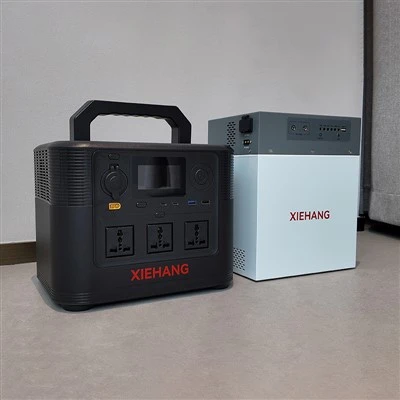
Don’t let fear of the unknown stop you from getting the reliable, flexible power you deserve. Whether you go the DIY route or hire a pro, a PAYG battery system is one of the best investments you can make in your home and your budget. All it takes is a little planning to make sure you do it safely and correctly.
Home Energy Storage References:
- U.S. Consumer Product Safety Commission. (2022). Lithium-Ion Battery Safety for Home Use. Retrieved from relevant industry safety resources.
- National Electrical Code (NEC). (2023). Article 706: Energy Storage Systems.
- Insurance Information Institute. (2023). Home Electrical Work and Insurance Coverage.
- National Association of State Electrical Inspectors. (2022). Permitting Requirements for Residential Energy Storage Installations.
- Our Internal Customer Success Data. (2024). PAYG Battery Installation Survey Results, DIY vs Professional.
Zhejiang Xiehang New Energy Equipment Co., Ltd.
As one of the most professional pay as you go battery system manufacturers and suppliers in China, our products have good reputation in the market. Please erst assured to wholesale custom made pay as you go battery system from our factory. If you have any enquiry about cooperation, please feel free to email us.
Address: No.5 Hechen Road, Zhouwangmiao Town, Haining, Jiaxing City, Zhejiang Province, China
E-mail: dan.wu@xiehang.net
WebSite: https://www.shineonpower.com/
