Hey there, if you’ve ever stopped to think about how things like wood chips, food grains, or even small pharmaceuticals get dried efficiently, chances are a belt conveyor dryer was part of the process. As a belt conveyor dryer supplier, I get tons of questions from clients: “Can steam actually heat this thing? Isn’t that just for power plants or old radiators?” Let me cut through the confusion here because this isn’t some random gimmick—it’s totally science-backed, and way more common than you might think. Belt Conveyor Dryer
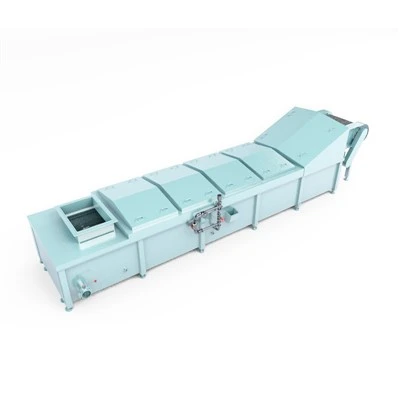
First off, let’s keep this simple. A belt conveyor dryer works by moving material across a perforated belt, and blowing a heated gas (usually air) through the material to pull out moisture. The big question is, where does that heated gas come from? Most people use electric heating or gas burners, but steam? Wait, steam is water in its gas form, right? It’s got a ton of latent heat—like, when steam condenses back into water, it releases way more heat than just hot water at the same temperature. That’s the key here. It’s not just about heating air; it’s about using steam’s superpower to transfer that heat efficiently.
Let me walk you through how it works in a real setup. I’ve worked with a grain processing client who switched from gas burners to steam heat on their belt conveyor dryer, and they cut their energy costs by almost 30% in a year. Here’s the play: we don’t blast steam directly into the dryer. That would just blow your material all over the place. Instead, we use a heat exchanger—think of it like a big radiator for the dryer. The steam runs through tubes inside the exchanger, and ambient air is blown over those tubes. The steam cools down and condenses into liquid water inside the tubes, and the heat it releases warps the air to the exact temperature you need for drying. That warm, dry air then gets pushed through the perforated belt, hitting your material and pulling out moisture.
Why is this a game-changer for so many industries? Let’s break down the pros I see day-to-day as a supplier. First, efficiency. Steam has a latent heat capacity of about 2,260 kJ per kilogram—for reference, electric heaters only transfer sensible heat, so they use way more power to get the same amount of heat. If your facility already has a steam system (like a factory that uses steam for other processes, or a biomass boiler that generates it), you’re basically reusing waste heat instead of burning extra gas or electricity. That’s a huge win for the bottom line.
Then there’s temperature control. Different materials need different drying temps—you can’t use too much heat on food grains, and you need consistent temps for pharmaceuticals to avoid damaging the product. Steam heat is super easy to regulate. You just adjust the steam pressure in the heat exchanger, which changes the temperature of the air it heats. No more guessing with gas burners that can spike or drop temp unexpectedly. I had a pet food client a while back who was ruining 5% of their product a month because inconsistent heat made kibble too crunchy or too soft. Switched to steam-heated belt conveyor dryer, and that waste dropped to under 1%.
Wait, but what about the downsides? Nothing’s perfect, right? Let’s be real. First, you need a steam source. If you don’t already have a boiler generating steam for your facility, setting one up might have upfront costs. But here’s the thing—most belt conveyor dryer users I work with already have a steam system. For example, textile mills use steam for processing fabric, so they can tap into that for drying finished cloth. Paper mills? Same deal. If you’re a small operation that doesn’t have steam, this might not make sense, but that’s only a fraction of the clients I talk to.
Another thing: maintenance. Steam can leave mineral deposits if it’s not properly treated (like, hard water can cause limescale in the heat exchanger tubes). But modern heat exchangers for these setups have anti-scale coatings, and regular flushing takes like 30 minutes a week—way less maintenance than a gas burner, which needs annual cleaning and part replacements. I’ve never had a client regret switching from gas to steam for that reason.
Let’s talk about actual use cases, because that’s where the rubber meets the road. Take wood processing: sawmills generate tons of sawdust and wood shavings that need to be dried before they’re turned into particleboard. A few years back, I supplied a belt conveyor dryer heated by exhaust steam from their power generator. They were previously venting that steam outside, wasting it. Now they use it to dry wood waste, and they don’t have to buy extra fuel for drying. That’s a circular win—no waste, lower costs.
Or think about brewing. Breweries have spent grain left over after mashing that’s high in moisture, and they usually sell it to animal feed producers. Drying that spent grain makes it way more valuable. One craft brewery I worked with was using electric heat and spending $1,200 a month on drying. Switched to steam heat from their own brewing steam system, and that bill dropped to $400. That’s a no-brainer for small businesses too.
Wait, but can steam work for every material? Let’s get specific. We tested it with everything from corn and soybeans to coffee grounds, even small plastic pellets. It works for non-corrosive materials, obviously—you don’t want to use steam heat if you’re drying something that reacts with moisture too fast, but that’s rare. If your material can handle moderate humidity during drying, this is solid. For example, if you’re drying something that needs really low moisture at the end, you can pair the steam-heated air with a small dehumidifier at the end of the belt, and it works perfect.
As a supplier, I’ve seen the misconceptions people have. A lot of folks think “steam” is too industrial or too dangerous, but modern setups are totally safe. The heat exchangers are sealed, and we add pressure relief valves so there’s no risk of overpressure. We also include sensors that shut off the steam if the temp gets too high, so you never have to worry about damaging your material or the equipment.
Let me compare this to other heating options to make it clear. Gas-fired belt conveyor dryers are common, but they have lower efficiency because they lose heat out the exhaust. Electric is simple, but energy costs are sky-high right now. Steam? It’s the middle ground that uses existing infrastructure if you have it, cuts waste, and is reliable. I did a quick cost comparison for a client last quarter: for a 5-ton per hour dryer, gas heating would cost ~$850 a month, electric ~$1,100, steam ~$580. That’s a difference of almost $500 a month—money that goes straight to your profit.
Another plus: consistent drying leads to better product quality. When the heat is steady, your material dries evenly across the entire belt. No more wet spots or over-dried edges, which means less product waste. I’ve had clients tell me that their end product has a higher market value because it’s more uniform, which is a big deal for selling to bulk buyers.
Wait, what about condensation inside the dryer? That’s a concern some people bring up. But when you use steam-heated air, it’s already at a humidity level that’s controlled—you don’t have raw steam blowing through the dryer. The heat exchanger heats the air, and you can adjust how much moisture is in that air based on your material. So if you need really dry air, you can run the steam through the exchanger a bit longer to heat the air, which lowers its relative humidity. That’s all adjustable with simple controls, no fancy tech needed.
I should also mention that this isn’t a new invention. Steam has been used for industrial drying since the 1800s, but a lot of people in the modern processing world have forgotten that or written it off as outdated. But with energy prices fluctuating, more clients are coming back to it because it’s just practical. As a supplier, I’ve invested in modifying our belt conveyor dryers to be steam-ready, because the demand has spiked in the last 5 years.
Let’s address a common question: “Do I need to redesign my entire dryer to use steam?” No way. Most of the time, we can add a compact heat exchanger to an existing belt conveyor dryer you already have. I’ve retrofitted dozens of older dryers for clients, and the installation takes 1-2 days, with minimal downtime. That’s way cheaper than buying a whole new machine.
What about if I don’t have a steam boiler? Is it still worth it? It depends. If your operation is large enough, installing a small biomass boiler to generate steam for drying and other processes might pay for itself in 2-3 years. For smaller operations, it might not make sense, but in that case, we can still point you to other efficient options—though steam is still the top pick for most mid-to-large facilities.
Let me give you a recent success story to back this up. A lumber company in the Pacific Northwest hit me up last year because their gas-fired dryer was costing them $20k a month in energy, and they were having trouble meeting dryness specs for their cedar planks. We retrofitted their existing belt conveyor dryer with a steam heat exchanger tapped into their existing wood-fired boiler (they already had it for heating the mill), and 6 months later, their energy costs dropped to $12k a month, and they had zero complaints about plank dryness from their customers. That’s the kind of win I live for as a supplier.
Another thing to consider: environmental impact. Steam drying uses less fuel than gas or electric, so your carbon footprint goes down. A lot of my clients care about that now, especially if they’re selling to companies that require sustainability certifications. Switching to steam heat is an easy way to check that box without making big changes to your process.
Now, let’s be honest about the limitations. If you’re drying something that needs to be kept at super low temps (like certain pharmaceuticals that degrade above 100°F), steam might not be the best—steam usually heats air to 120-250°F, which is too high for those. But for 90% of the materials I work with (food grains, wood, textiles, spent grain, etc.), that temp range is perfect. Also, if your steam supply is inconsistent, that can mess with drying, but we can add a steam storage tank to smooth out fluctuations if that’s an issue.
So to wrap this up: Can steam be used as a heating source for a belt conveyor dryer? Absolutely. It’s efficient, cost-effective, reliable, and proven in thousands of operations. The key is having a steam source (or being willing to set one up if it makes financial sense) and working with a supplier who knows how to integrate the heat exchanger properly with your specific material and process.

If you’re thinking about upgrading your belt conveyor dryer’s heating system, or even retrofitting your existing machine, don’t overcomplicate it. Reach out to us to talk through your needs, what materials you’re drying, and what your energy setup looks like. We can walk you through the numbers, show you case studies from similar businesses, and figure out if steam heat is the right move for you. No sales pitch, just straight talk about what works and what doesn’t, because I’d rather build a long-term relationship than make a one-time sale.
Heat Pump Dryer References
- American Society of Mechanical Engineers (ASME). (2019). Heat Exchanger Design for Industrial Steam Applications. ASME International.
- Food and Agriculture Organization (FAO). (2021). Energy-Efficient Drying Technologies for Agricultural Commodities. FAO Corporate Document Repository.
- Industrial Heating Magazine. (2022). Steam Heat Systems Cut Operational Costs for Belt Conveyor Dryers. Industrial Heating Trade Publication.
- Wood Industry Manufacturers Association (WIA). (2020). Drying Efficiency in Sawmill Operations: Steam vs. Alternative Heating Sources. WIA Technical Report.
- Pharmaceutical Engineering. (2021). Controlled Drying Processes for Fine Chemicals and APIs. Pharmaceutical Engineering Journal.
Shaoxing Kanglong Rerrigeration and Fanner Equipment Co., Ltd.
As one of the most professional belt conveyor dryer manufacturers and suppliers in China, we’re featured by quality products and good service. Please rest assured to wholesale advanced belt conveyor dryer made in China here from our factory. Also, custom service is available.
Address: No.1,Lide Road,Shangpu Industry
E-mail: info@iqffreezercn.com
WebSite: https://www.iqffreezercn.com/
