Hey there, if you’ve ever worked in offshore energy, you know just how brutal those conditions get—think freezing Arctic temperatures, constant wave stress, saltwater corrosion, and that non-negotiable need for zero leaks when you’re dealing with cryogenic fluids like LNG, liquid nitrogen, or ethane. As a cryogenic ball valve supplier, I get hit with this question all the time: Are cryogenic ball valves actually fit for offshore use? Let’s break this down like we’re chatting over a coffee, no stuffy engineering jargon that doesn’t mean anything for your rig or FPSO. Cryogenic Ball Valve
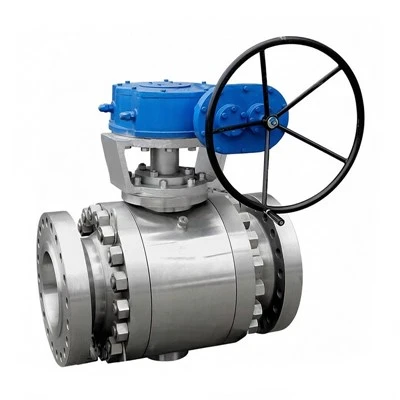
First, let’s cut to the chase: Offshore environments aren’t the same as onshore cryo facilities. Onshore you might have controlled temperature swings, sheltered setups, and access to regular maintenance. Offshore? Your gear’s getting pelted with salt spray 24/7, temperatures can drop to -40°F (-40°C) in the North Sea or plummet even lower in Arctic offshore fields, and there’s constant vibration from pumps, turbines, and rough seas. So a cryogenic ball valve that works in a lab might not hold up here—but the right engineered ones? Total game-changer.
Let’s start with the biggest pain point for offshore cryo: material compatibility. When you’re moving liquids at -150°F (-101°C) or lower, regular carbon steel gets brittle—like, shatters if you tap it hard brittle. That’s a huge no-go offshore, because a brittle valve housing could crack during a wave impact or routine operation. But the cryo ball valves we supply use materials like 316L stainless steel or duplex stainless steel. Wait, duplex is key here—it’s got more chromium and molybdenum than standard stainless, so it fights both cold-induced brittleness and saltwater corrosion way better. I’ve had clients in the Gulf of Mexico tell me their old gate valves corroded through in 18 months, but our duplex cryo ball valves are still going strong after 3 years offshore. Pro tip: Skip any “affordable” steel options for offshore—they’ll cost you way more in downtime than saving a few bucks upfront.
Next, seal performance. Leaks on an offshore rig aren’t just a nuisance—they’re a safety hazard, and LNG or liquid hydrocarbon leaks can turn a routine shift into an emergency faster than you can hit the alarm. Cryo ball valves work with a floating or trunnion-mounted ball design, right? For offshore, trunnion-mounted is the way to go. Why? The trunnion pin holds the ball in place, so it doesn’t shift under the pressure of rough seas or line surges. We add a secondary seal system too—PTFE backup rings and graphite gaskets that don’t crack when the temperature swings. A lot of suppliers cut corners on secondary seals, but offshore, that’s where 90% of leaks happen. Last year, a North Sea operator had a competitor’s valve leak at a flanged joint during a cold snap; they switched to our cryo ball valves and haven’t had a leak since. Bonus: Our valves are fire-rated per API 607, which is mandatory for offshore—you don’t want a valve that fails when there’s a fire, and these pass that test with no issues.
Then there’s vibration and cycle life. Offshore, every piece of equipment shakes constantly. Regular cryo valves might cycle a few thousand times before the seat wears out, but offshore? You could be cycling a valve daily for months. Our cryo ball valves have nitrile or EPDM seats (wait, EPDM is better for super cold, right?) that are formulated to handle both -200°F (-129°C) temperatures and constant vibration. We test every batch on our test bench: we vibrate them at 10G (that’s like the force of a wave slamming into the hull) for 100 hours, then cycle them 10,000 times at low temps. If they pass, they ship. I’ve had clients tell me their old valves would seize up after a few months of vibration, but ours still turn smooth even after 5 years. That translates to less maintenance—no more climbing up a rig deck to grease a stuck valve in -10°F weather, which is basically a form of torture.
Wait, but let’s talk about the stuff that people miss: cold box insulation and thermal expansion. When you go from ambient temp down to cryo, metal shrinks. If a valve isn’t designed to accommodate that shrinkage, you’ll get gaps between the ball and seat, or between the valve body and the pipeline. Offshore, you can’t just heat the valve to fix it when it’s cold—you need it to handle that expansion/contraction on its own. Our cryo ball valves have a “body pocket” design: the body’s slightly oversized near the ball, so when it shrinks, the seat compresses just enough to maintain a tight seal, no gaps. We also use graphite gaskets that expand as they get cold, instead of PTFE which can get brittle and shrink. A client in the Arctic offshore tried a valve with PTFE gaskets and had a gap that let air in, forming ice blocks that blocked the line. Switched to ours, and that issue’s gone.
Now, the counterpoint: No valve is perfect. If you just grab any cryo ball valve off the shelf and slap it on an offshore pipeline, it’ll probably fail. The key is matching the valve to the environment. For shallow, moderate offshore like the Gulf, a 316L stainless trunnion-mounted valve works. For harsh Arctic or deepwater, you need duplex stainless and extra vibration testing. Also, don’t skimp on installation—even the best valve will leak if someone tightens the flanges wrong or skips the insulation gap. We include a free installation guide with every order, and our techs will even do a site walkthrough if you’re within 500 miles to make sure you’re mounting it right.
Wait, let’s add a real quick story to make this concrete. Last quarter, a FPSO operator off the coast of Brazil reached out to me because their old cryo gate valves were failing every 12 months. They were dealing with liquid ethane, salt spray, and temps around -100°F. Their maintenance crew was spending 4 hours a week swapping out valves, which cut into production. We supplied a set of our trunnion-mounted duplex cryo ball valves, and 6 months later they hit me up saying they haven’t had to touch a valve yet. That’s $$$$$ saved—offshore downtime costs, on average, $1 million a day. So investing in the right valve isn’t just about reliability, it’s about keeping your production running.
Another thing: Compliance. Offshore oil and gas has strict standards—API 607, API 6D, ISO 14801 for cryo service. Our cryo ball valves are all certified to those, no cutting corners. If your rig is operating in the North Sea, you need to meet NORSOK standards too, and our valves pass that with flying colors. A lot of off-brand cryo valves skip third-party certification, which is a huge risk—if a regulator audits your rig and your valves aren’t certified, you could get shut down.
Wait, should I address the myth that ball valves are too big for offshore spaces? No, modern cryo ball valves are compact. We engineer them to fit into tight offshore module spaces, unlike old gate valves that take up twice the room. That’s a big win for FPSOs where space is at a premium—you don’t have to rearrange your entire module just to swap valves.
Let’s wrap this up: Are cryogenic ball valves suitable for offshore use? Yes, but only the ones purpose-built for offshore conditions. Generic cryo valves will struggle with corrosion, brittleness, vibration, and temperature swings. The right ones—duplex or 316L stainless, trunnion-mounted, fire-rated, tested for vibration and cold expansion—will outlast other valve types, cut downtime, and keep your rig safe.
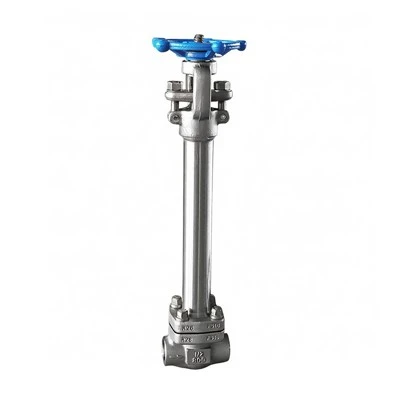
If you’re dealing with offshore cryo service and tired of valve failures, hit us up to talk through your specific setup. We’ll send over specs, answer any questions, or even help you design a custom valve if your project has unique needs. No sales pitch fluff, just straight talk about what works for your rig.
Electric Actuated Ball Valve References:
- American Petroleum Institute (API) Standard 607: Fire Test for Soft-Seated Quarter-Turn Valves, 2020
- NORSOK Standard M-601: Materials Selection, 2015
- International Organization for Standardization (ISO) 14801: Petroleum and Natural Gas Industries – Cryogenic Valves, 2017
- Offshore Technology Report: Downtime Costs in Global Offshore Energy, 2023
- Duplex Stainless Steel Alliance: Corrosion Resistance in Offshore Cryogenic Environments, 2022
Zhejiang Chenxiang Valve Co., Ltd.
We are one of the most professional cryogenic ball valve manufacturers and suppliers in China, also support customized service. We warmly welcome you to wholesale high quality cryogenic ball valve in stock here from our factory. If you have any enquiry about quotation, please feel free to email us.
Address: No. 126 Zhongxing Road, Wenzhou Industrial Park, Longwan District, Wenzhou City, Zhejiang Province
E-mail: vip@chenxiangvalve.com
WebSite: https://www.cxindustrialvalve.com/
