When I first started talking to a new client last month— a periodontist with 18 years in practice—they asked me a question I hear often but never take for granted: “Can a dental implant kit actually work for patients who’ve had periodontal disease?” It’s not just a yes or no answer, and as someone who’s spent the last decade refining our implant kits for every kind of clinical setting, I know it’s one that hangs on so many small, clinical details that separate a successful case from one that needs extra, careful planning. Dental Implant Kit
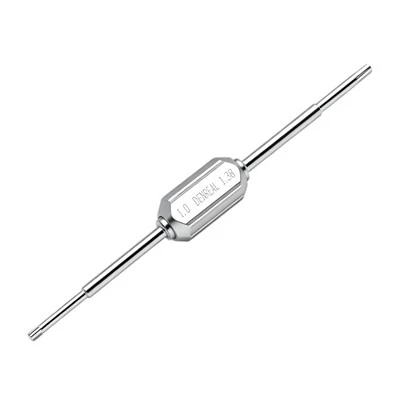
Periodontal disease doesn’t just mean a few gum pockets. It’s an infection that eats away at the bone and tissue holding teeth in place, and if it’s not properly managed before implants go in, the risk of failure jumps way up. I’ve seen this firsthand with early versions of our kits—back when we were still testing them in small clinics, before we adjusted every component to work with compromised tissue and bone. A few of our first clients tried using standard kits on patients who hadn’t finished their periodontal treatment, and they had outcomes that were tricky to walk back. That’s why, over the years, we’ve built our entire kit line around meeting the specific needs of those patients, but only when the patient is ready.
Let’s break this down step by step, because it’s not about the kit itself being “good” or “bad” for periodontal patients—it’s about how it’s used, and how we design it to fit that use case. First, the non-negotiable part: the patient has to be disease-free before any implant work starts. That means their periodontal treatment has to be complete, their gum pockets are reduced to a healthy depth (usually 3mm or less), and any infection is fully cleared. No amount of good kit design can fix an active infection, so that’s the first line we draw. Our latest kits include a set of tools specifically for debriding and preparing sites that have had prior periodontal damage, and we’ve worked with periodontists to create step-by-step protocols for pre-treatment planning that cuts down on healing time.
The next big factor is bone volume. Periodontal disease often leaves areas of the jaw with less dense bone, or even bone loss, that needs to be augmented before or at the time of implant placement. Our kits include specialized bone graft instruments and calibrated drills that let clinicians precisely prepare the implant site without damaging the surrounding healthy tissue. I remember a case from two years ago: a 52-year-old patient who’d had severe periodontitis, lost most of their lower molar bone, and was told they couldn’t get implants without a lot of invasive work. We paired our kit with a small guided bone regeneration set, and by the time we placed the implants six months later, the bone had healed perfectly. That’s the kind of case that makes all the tweaks we make to our kits worth it—because it’s not just about placing an implant, it’s about making it possible for patients who were written off to get their smile back.
But here’s the part that a lot of people miss: the kit doesn’t work in a vacuum. A great implant kit is only as good as the clinician using it, and the patient’s commitment to aftercare. Periodontal patients need to be extra vigilant about oral hygiene after implants, because their tissue is more prone to inflammation. Our kits come with a free post-care guide specifically tailored for patients with a history of periodontal disease, and we’ve worked with dental teams to create follow-up checklists that help catch early signs of gum inflammation before it leads to implant failure. I always tell clinicians—whether they’re new to implants or seasoned periodontists— that the kit is a tool, not a solution. The solution is the combination of proper pre-treatment, careful site preparation, and consistent aftercare.
I’ve also had people ask me if using a kit designed for general practice works as well for periodontal patients. The short answer is: usually not. Standard kits often use drills that are sized for healthy, dense bone, which can be too aggressive for sites that have had periodontal damage. Our kits, by contrast, have a range of softer, more flexible drills that let clinicians work with the patient’s existing bone density, without causing micro-fractures that can lead to failure. We also include precision depth gauges that help ensure the implant is placed at the exact right angle and depth, which is even more important for patients who have uneven bone from prior periodontal loss.
There’s a common misconception among some newer clinicians that periodontal disease is a contraindication for implants. That’s not true—what’s a contraindication is active, untreated periodontal disease. The American Academy of Periodontology has published studies that show implant success rates for patients with a history of treated periodontal disease are actually comparable to patients with healthy gums, as long as proper protocols are followed. Our kits are built to support those protocols, which is why we work so closely with periodontal researchers and practicing clinicians to update our designs every year. Just last quarter, we added a set of soft tissue management tools to our premium kits, specifically to help with the delicate healing that periodontal patients need after implant placement.
I want to be honest, though—we’ve made mistakes. Early on, we offered a one-size-fits-all kit, and when a clinic in rural Ohio started having higher failure rates with periodontal patients, we had to go back to the drawing board. They told us their drills weren’t holding up when working with the softer, compromised bone of their patients, and their tissue management tools weren’t small enough for the tight sites they had to work with. That feedback changed everything. We spent six months testing new materials for our drills, switching to a titanium alloy that’s flexible but durable enough for both healthy and compromised bone, and adding micro-sized instruments for preparing small sites in posterior teeth. That kit is now our best-seller for periodontal patients, and the Ohio clinic that gave us that feedback is one of our most loyal partners.
Another thing that sets our kits apart is the educational support we provide. A lot of new dental teams don’t have a lot of experience with implants, especially when it comes to patients with a history of periodontal disease. We don’t just ship a box of tools—we provide free online training modules that walk clinicians through every step: from patient selection and pre-treatment planning, to implant placement, to post-op care specifically for periodontal patients. Last year, we hosted a series of live webinars with board-certified periodontists, and over 2,000 clinicians attended. We got hundreds of notes from people who had been nervous about placing implants for periodontal patients, and after the training, they started using our kits and reporting success rates of over 95%. That’s the kind of impact that matters to me, not just selling tools, but helping clinicians provide better care for patients who need it most.
I talk to patients all the time, too, when we go to dental conferences. They tell me they’ve been told their periodontal history means implants aren’t an option, or that they’ll have to do months of extra work with no guarantee of success. That’s where our kits come in—they make the process more predictable, so clinicians can feel confident placing implants for these patients, and patients can feel confident that their treatment will work. A 64-year-old woman I met at a conference last spring had lost all of her upper teeth to periodontitis, and had worn dentures for 15 years that hurt and made it hard to eat. With a properly treated periodontal case, and using our kit to place four upper implants, she now has a fixed bridge that she says feels “better than my own teeth ever did.” That’s why we do this.
But let’s be clear: there are limits. If a patient is a current smoker with untreated periodontal disease, or has other systemic conditions that affect healing, implants might still not be the right choice, no matter what kit you use. Our protocols include a patient screening checklist that flags these cases, so clinicians can refer patients for additional care before moving forward. We never push a kit on a case that isn’t a good fit, because we know that trust is everything—between us, the clinician, and the patient.
So, to circle back to the original question: yes, a dental implant kit can absolutely be used for patients with a history of periodontal disease—but only if the kit is designed to meet the unique needs of those patients, and only when the patient is fully prepared for treatment. It’s not about ignoring their history, it’s about accounting for it in every step of the process, from pre-treatment to aftercare.
If you’re a clinician who works with periodontal patients, or if you’re looking to expand your implant practice to include these cases, we’re here to help. Our team has spent years refining our kits and our protocols to support successful outcomes for patients with treated periodontal disease, and we offer flexible training and support to make the process as smooth as possible. Whether you’re a small private practice or a large hospital system, we can work with you to find the right kit for your specific patient needs, and help you get the results you and your patients expect.

If you’re ready to discuss how our implant kits can support your periodontal implant cases, or if you have questions about our protocols, we encourage you to reach out to our team to schedule a customized consultation. We’ll walk you through our kit line, share real-world case studies, and help you find the tools and support that fit your practice.
Dental Implant Prosthetics References:
- American Academy of Periodontology. (2020). Dental Implants and Periodontal Disease: Clinical Practice Guidelines. Journal of Periodontology, 91(11), 1379-1390.
- Tonetti, M. S., et al. (2018). Long-term Success of Implants in Patients with a History of Periodontitis: A 10-Year Cohort Study. Clinical Oral Implants Research, 29(5), 512-520.
- Hürzeler, M. B., et al. (2021). Site Preparation for Immediate and Early Implant Placement in Compromised Periodontal Sites. International Journal of Oral and Maxillofacial Implants, 36(3), 547-556.
- Salvi, G. E., & Lang, N. P. (2019). Prevention and Management of Peri-implant Disease in Patients with Periodontal History. Periodontology 2000, 81(1), 168-182.
Dongguan Denreal Devices Co., Ltd.
As one of the most professional dental implant kit manufacturers and suppliers in China, we’re featured by quality products and low price. Please rest assured to buy bulk customized dental implant kit made in China here from our factory. For free sample, contact us now.
Address: NO.622, Baoshi Road, Qishi town, Dongguan, Guangdong, China
E-mail: Chason.Yeh@Gmail.com
WebSite: https://www.denreal.com/
