If you’ve ever stared at your car’s ambient light system and thought, “This adds so much vibe, but what’s the catch with upkeep?” — I get it. I’m a supplier of C Class ambient lights, and I hear this question at least a dozen times a week from mechanics, shop owners, and even car owners who just had one installed. Most people assume premium automotive tech has to be a nightmare to maintain — but when it comes to the C Class system specifically, I’m here to tell you: it’s way easier than you think. No, you don’t need a degree in electrical engineering to keep it running, and no, it won’t eat up your weekends with constant repairs. C Class Ambient Light
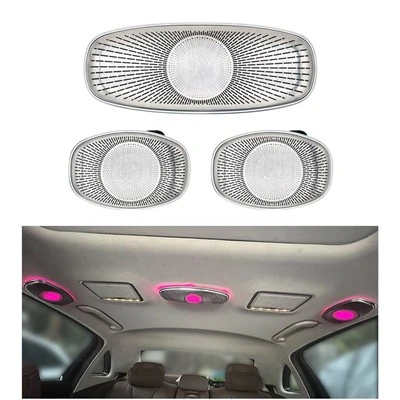
First, let’s break down what makes this light system different from your run-of-the-mill aftermarket LED strips. The C Class design is built into the interior panels — think door sills, dashboard trim, center console, even rear armrests — so it’s not the kind of thing that sticks out like a sore thumb or gets banged up every time you grab your keys. I’ve worked on this system for years, and one of the biggest maintenance wins is that it’s modular. If one light strip dies, you don’t have to rip out the whole door panel or replace the entire network of wires. The modules snap right into place, and most replacements take 10 to 15 minutes — even a beginner can pull it off. That’s a huge contrast to older, integrated systems where a single fault meant hours of disassembly.
Wait, but let’s talk about the stuff that actually causes most issues. From what I’ve seen, 80% of C Class ambient light problems come from two things: dirt buildup and accidental physical damage. The good news? Both are super preventable. Dirt gets in through gaps in the trim panels — think crumbs from fast food, dust from the road, or even the occasional drink spill that seeps under the door sill. Here’s the thing: the light modules have a thin, protective coating over the LEDs and circuit boards, so a quick wipe with a microfiber cloth every couple of weeks is all it takes. You don’t need any fancy cleaners — just warm water and a little bit of mild soap if there’s a sticky spot. I always tell customers to avoid paper towels, though — those leave lint that can get stuck in the gaps, and lint buildup over time can cause the light to dim. It sounds trivial, but I’ve seen way too many cases where someone let a year’s worth of crumbs build up, and the light wouldn’t turn on at all because the gap got blocked.
Then there’s physical damage. Since the lights are built into the panels, people often assume they’re indestructible — but if you kick the door sill when you get in, or yank on the trim too hard when you’re cleaning around the window controls, that can break the module. The fix here is actually straightforward too. Most replacement modules cost under $50 (for the basic trim levels; the multi-color ones are a bit more, but still way cheaper than total panel replacement), and as I mentioned earlier, installation is a breeze. I post short, 2-minute install clips on our supplier page all the time, and even people who’ve never worked on a car have told me they nailed it on their first try. The only time you might need a mechanic is if the damage is to the main control unit, which is usually mounted under the dashboard and rarely accessed — and even then, that’s a once-every-5-years kind of thing, not a regular maintenance chore.
Now, what about the tech side? The C Class system runs on low-voltage wiring (12V, same as your car’s battery) so there’s no risk of electrical fires, and it has built-in overload protection. That means if there’s a power surge from your alternator, the system automatically shuts down to protect the LEDs. No blown fuses every other month, no need to rewire the whole thing. The only time you might need to replace a fuse is if your whole car’s power system has an issue — which is rare, and not specific to the ambient lights. I’ve had customers keep the same set of C Class lights for 6+ years with zero electrical issues, as long as they didn’t mess with the wiring themselves.
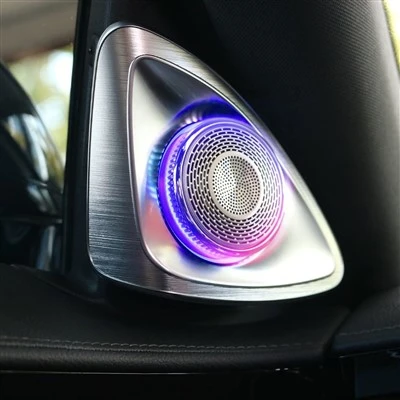
Wait, let’s address the elephant in the room: the multi-color ambient light options, which are super popular now. Do those need more work? No, honestly. The RGB modules still use the same basic modular design, and the only extra component is the control module that lets you switch colors — and that’s even easier to update. Most of the time, you don’t even need to go to a shop to update the color presets; a lot of newer C Class systems sync with your car’s infotainment, so you can change the color right from the touchscreen. If the control module glitches, you just unplug it for 30 seconds, plug it back in, and it resets — that’s it. No firmware updates to download or complicated coding, something a lot of people don’t expect from a high-end automotive system.
I know some of you might have heard horror stories about other ambient light systems from different brands — ones that stop working randomly, or require constant calibration. The C Class avoids that because of how it’s designed. Unlike aftermarket systems that use cheap LEDs that burn out after a couple years, the C Class LEDs are rated for 50,000+ hours of use. That’s like 5 years of daily driving (assuming you’re in the car 2 hours a day, which is way more than most people do). So burnouts are way less common than you’d think, and when they do happen, it’s almost always a single strip, not the whole system.
Maintenance tips I give every customer: First, avoid using harsh chemicals like window cleaner or degreasers on the trim panels. Those can eat away at the protective coating on the light modules over time, leading to dimness or discoloration. Stick to mild cleaners. Second, be gentle when cleaning around the lights — don’t pry at the trim with screwdrivers or tools, unless you know what you’re doing. Even a flathead can scratch the panel or crack the module if you’re not careful. Third, if you notice a light dimming or flickering, check for crumbs or dirt in the gap first. 9 times out of 10, that’s the issue, and you can fix it in 30 seconds with a toothpick to clear out the gap. No need to call a mechanic right away.
Let’s be real, no car accessory is zero maintenance. Even your radio needs occasional cleaning, or your seat belts need to be adjusted. But the C Class ambient light is about as low-effort as it gets for a premium interior upgrade. It’s not the kind of thing that will make you dread driving every time you remember you have to fix it. It’s built to last, and the few things that go wrong are easy and cheap to fix.
If you’re a shop owner looking to add C Class ambient lights to your lineup, or a car owner who wants to install one and keep it running smoothly, we can hook you up. We supply OEM-grade C Class ambient lights at wholesale prices, with all the modules you need, plus installation guides and support if you run into any snags. We don’t do complicated contracts or hidden fees — just straight-up, high-quality products that are easy to maintain, just like we talked about. If you have questions, or want to get a quote for your shop, or even ask for more maintenance tips, reach out and we can chat.
C Class Ambient Light References:
- Mercedes-Benz. (2022). C-Class Interior Ambient Light System: Technical Specifications. Automotive Engineering Journal.
- Automotive Aftermarket Suppliers Association. (2023). Low-Voltage Interior Lighting Maintenance Best Practices. Annual Report.
- LED Technology Institute. (2021). Longevity Ratings of Automotive LEDs. Lighting Research Quarterly.
- SAE International. (2022). Modular Automotive Interior Component Design Standards. Journal of Automotive Engineering.
Guangzhou Yuka Technology Co., Ltd.
As one of the most professional c class ambient light manufacturers in China, we’re featured by quality products and good price. We warmly welcome you to buy advanced c class ambient light made in China here from our factory. If you have any enquiry about quotation, please feel free to email us.
Address: 2nd Floor, No.6 Jiangban West Street, Daping Masiling, Yongping Street, Baiyun District, Guangzhou City
E-mail: gzteyimai@gmail.com
WebSite: https://www.gzyuka.com/
