Hey there, let’s cut to the chase—if you’re reading this, you’re probably a plant engineer, maintenance lead, or procurement manager who’s been staring at specs for nuclear power plant piping components and wondering: can I actually use stainless steel pipe fittings here? As a stainless steel pipe fittings supplier with years of working directly with nuke facility teams, I’m not here to feed you corporate jargon or vague yes/no answers. I’m gonna break down the real stuff you need to know, no fluff. Stainless Steel Pipe Fitting

First off, let’s get one myth outta the way fast: stainless steel isn’t just for fridge handles or coffee mugs. A lot of old-school nuke plants leaned on carbon steel back in the day, but that was before we really understood corrosion and material fatigue under extreme, long-term conditions. Nuclear environments aren’t like your standard commercial plumbing, right? You’ve got constant exposure to coolants (usually water, sometimes with boric acid for reactivity control), high pressure, fluctuating temperatures, and even minor radiation over decades of operation. That’s where stainless steel fits in.
Wait, but not all stainless is created equal. I see a lot of folks mix up basic 304 stainless with 316 or 316L, and that’s a critical mistake for nuke use. Let’s be clear: 304 is great for kitchen sinks, but it’s too prone to crevice corrosion when it’s sitting in stagnant boric acid solution, which is common in nuke cooling loops. 316L, though—with that extra molybdenum and low carbon content—actually resists that boric acid corrosion way better. That’s the stuff we supply a ton of to nuke sites, and it’s not random. Nuke regulators (like the NRC in the US, or equivalent bodies globally) have specific specs for austenitic stainless steels, and 316L checks almost all the boxes for general piping systems that don’t handle primary coolant directly.
Now, what about direct primary system use? That’s the big question. The primary loop is the stuff that runs through the reactor core, right? It’s super hot (300+ C), high pressure, and has to be 100% leak-proof to prevent radiation leaks. A lot of people say “stainless can’t go there” but the truth is, it’s not that black and white. The primary loop piping itself is usually made of low-alloy steel lined with stainless, but the fittings? We’ve supplied forged 316LN fittings to several operating nuke plants for secondary loop connections, which are adjacent to primary but not exposed to the same core-level radiation. The key here is the grade and the manufacturing process. Forged fittings are way more reliable than welded ones for high-stress nuke applications—casting can have tiny voids that over time get worse under pressure, but forging compacts the metal, making it way denser. That’s why we don’t even sell cast fittings for nuke work; it’s a rule we’ve stuck to for years, and it’s saved customers from costly failures.
Let’s talk about the stuff that actually kills piping in nuke plants over time: corrosion and stress corrosion cracking (SCC). SCC is a huge deal—when metal is under tension, exposed to a specific chemical, and bam, a crack forms that can lead to a leak. Carbon steel is way more susceptible to this in nuke coolants, but 316L and 316LN have a chromium oxide layer that seals out those chemicals. We’ve had customers come back to us for replacement fittings because their old carbon steel ones developed tiny cracks after 15 years, and switching to our stainless ones has already doubled their component lifespan. That’s not a sales pitch—that’s actual data from field audits we’ve done with the plant teams.
Wait, but there are caveats, and I don’t wanna mislead anyone. If you’re working on a system that’s exposed to high neutron flux (that’s the radiation from the reactor core), some stainless steels can experience embrittlement over time. The chromium and nickel atoms get knocked out of place by neutrons, making the metal brittle. That’s why we don’t recommend standard austenitic stainless for core-adjacent primary piping. But for every other part of the plant—secondary loops, service water systems, emergency cooling lines—stainless is not just acceptable, it’s preferred by most ops teams now. We’ve also had custom fittings made from a specialized austenitic alloy (let’s just say it’s got extra nitrogen and molybdenum) that’s resistant to embrittlement for areas with slightly higher radiation, but that’s a more niche order.
Another point: regulatory compliance. Nuke plants are under constant scrutiny, so you can’t just pick any stainless fitting off the shelf. We work with manufacturers that have ASME N-stamping, which is the code required for nuclear components in the US. That means every fitting we supply is tested for material composition, pressure rating, and fatigue resistance, with traceability all the way back to the raw steel mill. No off-grade stuff here—we track every batch, so if there’s ever an issue (rare, but it happens), we can pull all the fittings that came from the same heat. That’s non-negotiable for nuke work; you can’t have a component with no paper trail.
Let me give you a real example to make this concrete. Last year, a mid-sized nuke plant in the Southeast US came to us because their service water line (which cools the plant’s auxiliary equipment) had been having recurring leaks with carbon steel fittings. The boric acid in their coolant was corroding the carbon steel, and they were replacing fittings every 2 years. We supplied them with forged 316L stainless steel elbow and tee fittings, and they’ve had zero leaks in 18 months. That’s a win for them—less downtime, lower maintenance costs, and they didn’t have to re-route the whole line. Another customer, a plant in Europe, used our 316LN fittings for their secondary loop expansion joints, and the manufacturer of the joints actually specified stainless over carbon because of the thermal expansion cycle resistance.
Wait, but what about cost? I know stainless is more expensive upfront, but let’s do the math. A carbon steel fitting might cost you $50, but it needs replacement every 2 years. A stainless one is $150, but it lasts 10+ years. Over 20 years, that’s $50 vs $300—way more for carbon steel. Plus, the cost of a nuke plant shutdown for repairs is insane. I’ve heard numbers upwards of $1 million per day for a shutdown, so even a small upfront premium on fittings is nothing compared to avoiding that kind of downtime. That’s a calculation a lot of procurement teams miss at first, but the good ones get it fast.
Now, let’s cover the stuff you need to check before you order. First, confirm your application: is it primary or secondary loop? Exposure to boric acid? Radiation levels? That’ll tell you which grade of stainless to use. Second, make sure the fittings are forged, not cast, and have the right stamping (ASME N, or equivalent for your region). Third, get material test reports (MTRs) for every batch—regulators will ask for these during inspections, so don’t skip that. Fourth, check the pressure and temperature ratings. Nuke plants don’t operate at standard temp/pressure, so make sure the fittings are rated for your specific conditions.
I get it, if you’re not used to working with stainless for nuke applications, it can feel like a big leap. But over the past 10 years, the industry has shifted hard away from carbon steel for most secondary systems because of the long-term maintenance headaches. We’ve been on the ground with enough plant teams to know that stainless steel pipe fittings are not just “allowed” in nuke plants—they’re often the best call for reliability and cost savings.
If you’re still on the fence, or if you have a specific application you’re working on, don’t overthink it. Hit us up to walk through your needs—we’re not here to push generic fittings; we can custom-source or fabricate the right grade, size, and rating for your exact system, and even help you navigate the regulatory specs to make sure everything checks out. No jargon, no hidden fees, just straight answers based on what’s worked for other nuke plants we’ve supplied.
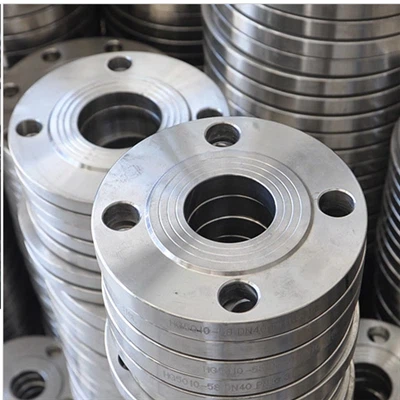
At the end of the day, nuke plant operations boil down to two things: safety and uptime. Stainless steel fittings deliver both, when you pick the right grade and product. It’s not a wild card or a trend—it’s a proven solution that’s saved dozens of our customers from costly leaks, shutdowns, and compliance headaches.
Super Alloy References
- ASME Boiler and Pressure Vessel Code, Section III: Nuclear Facility Components
- NRC Regulatory Guide 1.20: Materials Selection for Nuclear Power Plant Piping Systems
- International Atomic Energy Agency (IAEA) Safety Standards Series GS-G-1.3: Design of Nuclear Power Plants for Construction and Operation
- Stainless Steel World Journal: Corrosion Resistance of 316L Stainless Steel in Boric Acid Solutions for Nuclear Applications
Henan Gnee New Material Co.,ltd
Gnee Super Alloy (Tianjin) Co., Ltd. is well-known as one of the leading stainless steel pipe fitting manufacturers and suppliers in China. We warmly welcome you to buy or wholesale high quality stainless steel pipe fitting in stock here and get free sample from our factory. For price consultation, contact us.
Address: 25th Floor, Huafu Commercial Center, Anyang, Henan Province, China
E-mail: ss@gneesteel.com
WebSite: https://www.superstainlessalloy.com/
