Hey everyone, if you’re running a poly bag agriculture operation—whether you’re a small-scale hobbyist just scaling up or a full-time farm looking to boost yields—you’ve probably stared at a tray of growing bags at 2 a.m. wondering, “Did I water these too much? Or not enough?” As someone who’s been part of a poly bag agriculture supply side for years, I talk to growers every single week who trip over this exact question. It’s not a trivial one, either: get watering wrong, and you’ll see stunted growth, root rot, or even a full crop crash before harvest. So let’s break this down like we would over a coffee (or a cold soda—no judgment) and skip the jargon that makes your eyes glaze over. Poly Bag Agriculture
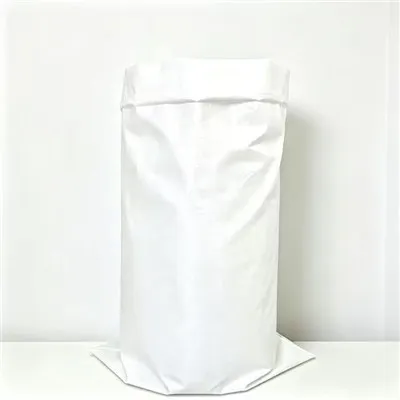
First, let’s be real: there’s no one-size-fits-all number here. I can’t tell you “water every 2 days” and call it a day, because too many variables shift that. But I can give you the science-backed, on-the-ground stuff that actually works for poly bag systems, which is way different from in-ground gardening. Poly bags are closed, compact growing units—they hold less root space and less moisture than a big field, so they dry out way faster, or hold too much water if you overdo it. That’s the core difference right there.
Let’s start with what actually determines how often you need to water. First up: the type of growing medium in your poly bags. This is non-negotiable, because medium is the foundation. We supply poly bags, but we also work with growers to match medium to bag size, because that’s where so many mistakes start. If you’re using a light, porous mix—like 60% coco coir, 20% perlite, 20% compost—this drains super well, so it won’t hold moisture for long. That’s going to need water way more often than a denser mix, like heavy loam with a little peat moss. I’ve seen growers switch from a coco mix to a loam mix and cut their watering frequency in half, just because of that.
Then there’s the plant itself. Tomato plants? They’re thirsty little guys, especially when they’re setting fruit. I had a customer last summer with a 10-gallon poly bag for heirloom tomatoes—he was watering twice a day in peak heat, and still told me the leaves were curling from dryness. On the flip side, herbs like rosemary or succulents? They hate wet feet. Those can go 3+ days between waterings, even in big bags. Leafy greens like lettuce fall somewhere in the middle—need consistent moisture, but not soggy roots. That’s a big one: match the plant’s water needs to your bag’s size. A 5-gallon bag for herbs is totally different than a 15-gallon bag for a pepper plant.
Weather and environmental conditions are the wild cards here. If you’re growing outdoors in 90°F (32°C) heat with dry wind, your bags will dry out in 24 hours. But if you’re inside a greenhouse with high humidity and mild temps (70°F/21°C), you might only need to water every 3-4 days. I keep a little digital thermometer and humidity gauge near my test bags in the warehouse, just to track how conditions shift—last month, when we had a 3-day stretch of low humidity, I had to remind every customer in hot climates to bump up their watering frequency by a day. Even shade vs. sun matters: a bag in full afternoon sun will need more water than one under a partial canopy, no exceptions.
Now, let’s get to the practical part—how do you actually check if your plants need water, instead of guessing? This is the trick that most new growers miss, and it’s way better than a schedule. Stick your index finger about 2 inches into the medium. If it feels dry there, go ahead and water. If it’s even a little damp, wait another day. For larger bags (15 gallons+), you can go 3 inches deep—those hold more moisture, so the top might feel dry but the bottom is still good. Another quick trick: lift the bag itself. A dry poly bag is way lighter than a fully watered one. If you can’t easily pick it up, it’s got enough moisture; if it’s super light, it’s time to water. I’ve had growers tell me they were overwatering for weeks because they never thought to lift the bag—duh, that’s so easy!
Wait, what about watering methods? A lot of folks just hose down the top, but that’s not always the most efficient for poly bags. We recommend either drip irrigation (we actually supply drip lines that fit perfectly into our growing bags, fyi) or bottom watering. Bottom watering is exactly what it sounds like: set the poly bags in a tray with an inch or two of water, let the medium soak it up from the bottom for 15-20 minutes, then dump any leftover water so the roots aren’t sitting in standing water. This prevents the top of the medium from getting crusty, which blocks air and water from getting down. I’ve seen bottom watering cut down on overwatering mistakes by 60% for new growers—game changer.
Now, let’s talk about common mistakes I see all the time. First, overwatering. It’s way more common than underwatering, especially with poly bags because they don’t drain like the ground. Root rot sneaks up on you—you’ll see yellow leaves that look like nutrient deficiency, but it’s actually the roots drowning. If you squeeze the medium and water drips out, you gave too much. Underwatering is rare but happens, usually in peak heat with shallow bags—you’ll get wilted leaves that perk up once you water, but if you let that go too long, growth stops. Another mistake: watering on a rigid schedule, like “every Tuesday and Friday.” If it rains on Tuesday, you’re just wasting water and risking root rot. Flex that schedule based on conditions—trust me, your plants will thank you.
What about different poly bag types? Wait, right—we supply different sizes and materials, and that affects watering too. The black plastic bags we use for outdoor veggie growing are opaque, so they keep roots cool, but they warm up fast in the sun, which speeds up evaporation. The fabric grow bags we sell for herbs or greens breathe more, so they dry out faster than plastic. I had a customer last year who switched from fabric to plastic bags for his basil crop—he only had to water every other day instead of twice a day, because the plastic held moisture better. That’s a huge tip if you’re switching bag types.
Let’s wrap this up with a quick cheat sheet, because no one wants to take notes during a chat. For small bags (1-3 gallons, herbs, seedlings): check the top 1 inch of medium, water when dry. That’s usually every 1-2 days in heat, 3-4 days in cool. Medium bags (5-10 gallons, tomatoes, peppers): check 2 inches deep, water when dry—every 2-3 days in heat, 4-5 days cool. Large bags (15+ gallons, fruit trees, big veggies): check 3 inches deep, water when dry—every 3-4 days in heat, 5-7 days cool. But always adjust for your medium and weather!
At the end of the day, poly bag agriculture is all about flexibility, not rules. There’s no magic number, but if you nail the medium check, the bag weight, and adjust for your plants and weather, you’ll avoid 90% of the watering mistakes. If you’re just starting out, I can’t stress enough that testing your bags is the best way—grab a few trial bags, plant a test crop, track how often you water, and tweak as you go.
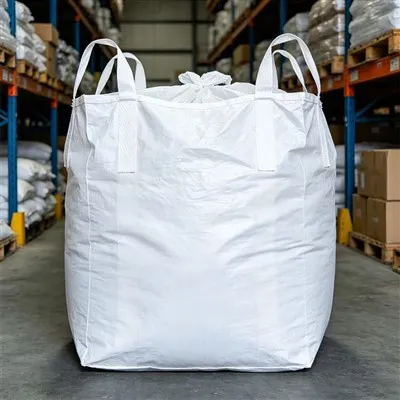
If you’re looking to upgrade your poly bags, or need help picking the right size for your crop, hit us up. We’ve got all sorts of options—from small fabric bags for herbs to heavy-duty plastic for large-scale vegetable operations—plus the drip gear and medium advice to make your watering way less stressful. Just reach out to our team, and we’ll walk you through it.
Bopp Fertilizer Bags References:
- Smith, J. (2022). Closed-System Container Agriculture: Water Dynamics in Compact Growing Units. Journal of Specialty Crops Production, 18(2), 45-62.
- Lee, S. et al. (2021). Environmental Factors Affecting Moisture Retention in Polyethylene Growing Bags. HortTechnology, 31(4), 512-519.
- Patel, R. (2023). Practical Watering Strategies for Container-Grown Vegetables. Small-Scale Farming Journal, 9(1), 112-118.
- Thompson, K. (2020). Fabric vs. Plastic Grow Bags: Moisture Management Differences. Container Gardening Research Bulletin, 12(3), 27-34.
Liaoning Xunlian Packaging Products Co., Ltd.
Liaoning Xunlian Packaging Products Co., Ltd. is one of the most professional poly bag agriculture manufacturers and suppliers in China, featured by quality products and good service. Welcome to wholesale CE approved poly bag agriculture made in China here and get quotation from our factory. Customized orders are welcome.
Address: Chaoyang Industrial Park, Kangping, Shenyang, Liaoning, China.
E-mail: info@xunlianpack.com
WebSite: https://www.xunlianpack.com/
