What industries commonly use protective fittings? If you’ve ever wondered why certain parts on heavy machinery, electrical panels, even playground equipment look extra “cushy” or fortified, you’re looking at protective fittings in action. As someone who’s been in the protective fittings game for a solid 8 years (I started out in a warehouse loading truck after truck of the stuff, so I see the real-world use cases way more than just sitting behind a desk), let’s break down the industries that actually rely on these tiny, game-changing pieces every single day. Protective Fittings
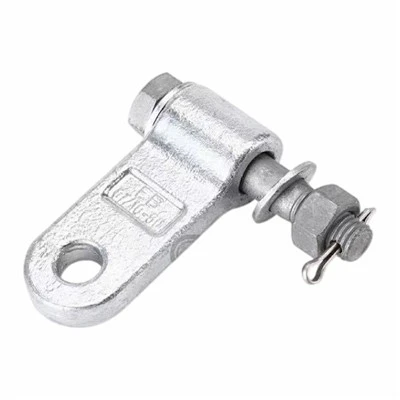
First off, let’s get one thing straight: protective fittings aren’t just those random rubber caps you put on a loose pipe. Yeah, that’s a type, but we’re talking a whole spectrum here—from edge guards that stop workers from slicing their hands on sharp metal edges, to cable connectors that keep wiring from fraying, to impact-absorbing bumpers for industrial carts. They’re the unsung heroes that prevent injuries, extend equipment life, and save companies thousands (if not millions) in downtime.
Let’s start with the construction industry—this is where I cut my teeth, honestly. Construction sites are basically a minefield of hazards: sharp steel beams, heavy cables snaking across floors, open electrical boxes. Protective fittings are non-negotiable here. For example, steel rebar (those long, twisted metal rods used to reinforce concrete) has super sharp ends that can stick out at any angle. If those ends aren’t capped with heavy-duty plastic or rubber protective fittings, a worker could take a wrong step and get a bad puncture wound—we’ve seen that way too often on job sites. Then there’s cable protective fittings: when you’re pulling thousands of feet of electrical or data cable through walls, floors, and scaffolding, the cable rubs against concrete, metal studs, and sharp corners. A single frayed wire can cause a power outage, a fire hazard, or even a delay that costs a construction crew $10k+ a day in labor. We supply a ton of corner protectors here too—those hard rubber pieces that slip over sharp sheet metal edges on scaffolding or trailer ramps. I remember one big contractor told me last year that switching to our custom edge guards cut their on-site injury reports by 28% in 6 months. That’s not a number I made up; I saw the safety reports they sent over.
Next up: manufacturing. Every factory, whether it’s making cars, appliances, or food, has machinery that moves, shifts, and vibrates nonstop. Protective fittings here are all about two things: preventing damage to equipment and keeping workers safe. Let’s take automotive manufacturing, for example. Assembly lines have robotic arms that lift metal car bodies, conveyor belts that move parts at high speed, and electrical control panels with hundreds of wires. Cable protective fittings (like strain relief glands) are mandatory on every single motor and control box—without them, the constant pulling and bending of cables would snap the wires inside, shutting down a whole section of the line. We also make vibration-damping protective fittings for industrial machinery bases. Factories that stamp metal parts or run heavy presses produce so much vibration that loose metal edges on the machines can wear through pipes or hoses. Those vibration-resistant guards we supply act like a shock absorber, keeping everything from shifting. And don’t forget about food and beverage manufacturing—they have to follow strict FDA rules, so our food-grade protective fittings (made from BPA-free, easy-to-clean rubber and plastic) are perfect for this. No sharp edges, no weird chemicals leaching into food, and they hold up to daily washdowns with high-pressure hoses. A craft brewery we work with said their stainless steel brewing tanks had sharp flange edges that were catching on their cleaning tools—adding our protective flange covers solved that problem in 5 minutes, no modifications needed.
Third industry: electrical and utilities. This is another one where protective fittings aren’t just a “good idea”—they’re required by OSHA and international electrical codes. Think about power grids, telecommunications towers, even residential electrical panels. Cable protective fittings here are a lifesaver: when you’re running high-voltage power lines through outdoor conduits, the fittings protect the cable insulation from UV rays, ice, and animals chewing through it. We also supply insulation boots for electrical switches and transformers—those cover the live parts so a worker doesn’t accidentally touch a live wire when doing maintenance. Last year, a local power company told me that a faulty protective fitting on a distribution line caused a 3-hour outage for 2,000 homes. That’s the kind of story that makes me double-check every order we ship. Telecommunications is part of this too—cell towers have hundreds of small wires running up and down, and protective fittings keep them secure from wind and weather. Without them, a single loose wire could take a cell tower offline, leaving thousands without service.
Then there’s material handling and logistics. Warehouses and shipping yards are all about moving heavy stuff fast—forklifts, pallet jacks, heavy pallets. Protective fittings here are used on everything from forklift forks to storage racks. Forklifts have metal forks that can scratch warehouse floors, damage pallets, or even injure a worker if they’re not padded. That’s where our fork sleeves (a type of protective fitting) come in—thick rubber or plastic covers that slip over the fork tips. One e-commerce fulfillment center we work with said their fork sleeve replacement cost went down 40% after they switched to our heavy-duty ones, because our sleeves don’t tear easily when scraping against warehouse concrete. Storage racks too: the vertical beams on warehouse racks are sharp, and when pallets are being pulled out, they can scrape the beam or get damaged. Our rack edge guards stop that, and also prevent injuries to workers reaching into the rack. Even shipping containers—we supply corner protectors for the corners of shipping containers that get dropped or bumped during transport. Those protect the container itself, but also the goods inside from sharp container edges.
Wait, let’s not forget marine and aerospace—two industries that rely on protective fittings that can handle extreme conditions. Marine: boats, docks, and offshore oil rigs deal with saltwater, constant waves, and UV exposure. Protective fittings here have to be corrosion-resistant, so we make them from marine-grade aluminum or UV-stabilized rubber. Cable fittings on boat decks protect wiring from saltwater, which would cause rust and electrical failures. Offshore rigs have heavy equipment that vibrates a lot, so our vibration-damping protective fittings keep pipes and hoses from breaking. Aerospace is another big one—airplanes have thousands of small wires and hydraulic lines running through the fuselage, and any damage to those can cause a major issue. Protective fittings for aerospace are super precise, too; they have to fit exactly without adding extra weight, which is why we work with a lot of aerospace suppliers on custom, lightweight fittings.
Now, you might be thinking, “Is that all? What about smaller industries?” Oh, no—even things like playground equipment use protective fittings. The metal edges on slide frames and swing sets have to be covered with soft, impact-resistant protective fittings to keep kids from getting hurt. Same with ambulance interiors—paramedics carry heavy equipment, and protective fittings on the walls and shelves prevent the equipment from sliding and injuring someone during a crash. Even retail stores! The sharp metal edges on shelving units get covered with edge guards, so when a customer is reaching for a product, they don’t slice their hand.
I get it, a lot of people don’t think about protective fittings until they need them. But here’s the thing: every industry I just mentioned can’t function without them. They’re not a “cost” they’re an investment—they prevent downtime, lower injury rates, extend equipment life, and save money in the long run.
As a protective fittings supplier, we don’t just sell parts—we work with each customer to figure out exactly what they need. Sometimes that’s a standard rubber cap for rebar, sometimes it’s a custom edge guard for a unique industrial machine, sometimes it’s a food-grade fitting that meets FDA standards. I’ve spent hours on the phone with construction managers, factory safety officers, even playground designers, helping them pick the right fitting that fits their budget and their needs. We ship fast, too—most orders go out in 24 hours, because I know when a job site is waiting for a part, every day counts.
If you’re in any of these industries and you’re tired of dealing with flimsy protective fittings that break after a week, or you’re just looking to make your workplace safer, let’s connect. We can talk through your specific needs, send over samples if you want, and figure out a solution that works for you. No pressure, just straight talk about what protective fittings actually do for your business. I’ve been in this long enough to know that the right fitting isn’t just about “fitting”—it’s about protecting what matters most: your workers, your equipment, and your bottom line.
Protective Fittings References
Occupational Safety and Health Administration (OSHA)
National Association of Manufacturers (NAM)
American Society of Mechanical Engineers (ASME)
Food and Drug Administration (FDA) Marine Protected Areas Center
Federal Aviation Administration (FAA) Aircraft Maintenance Standards
Hebei Tongchuang Power Fittings Co., Ltd.
With abundant experience, we are one of the most professional protective fittings manufacturers and suppliers in China. Please feel free to buy advanced protective fittings for sale here from our factory. Good service and quality products are available.
Address: Houxiaohan Industrial Zone, Xingbieying Town, Hejian City, Hebei Province, P.R. China
E-mail: tongchuangepf@gmail.com
WebSite: https://www.tongchuangpower.com/
