Alright, let’s break down something that stops a lot of people from even looking into implant malo bridges: “do they actually feel like your real teeth?” I know, it’s a big question—you’ve probably got a mouth full of gaps (or one that’s been messed up by dentures that slip, taste weird, and make eating tacos feel like a chore) so you’re not just looking for a replacement, you want something that works like your natural teeth, without the hassle. And as a supplier of these bridges, I’m not here to sell you a bill of goods—let’s talk straight, no jargon, just what I’ve seen work (and not work) over the years. Implant Malo Bridge
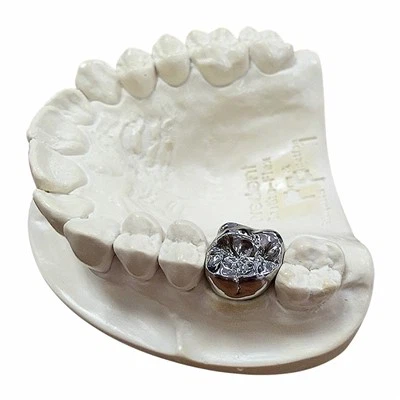
First, let’s get one thing out of the way right away: no dental implant replacement is 100% identical to your natural teeth. Your real teeth have tiny nerve endings in the roots that send “ouch” signals when you bite down on a pomegranate seed or something hard. Malo bridges (those fixed implant bridges, not the removable kind) are anchored to dental implants, which are titanium posts fused to your jawbone—so they don’t have that same root nerve. But here’s the part most people don’t tell you: the “feeling” you get from a natural tooth isn’t just the nerve. It’s how it rests against your gums, how it fits with your other teeth when you chew, and how it doesn’t move at all when you talk or laugh. That’s where malo bridges win, way more than dentures or even some other implant-supported options.
Let’s start with the anatomy part, super simple. A natural tooth is like a tree: the crown is the part you see, the root is hidden under the gum, stuck in the jaw. When you lose a tooth, that root is gone, so your jawbone starts to shrink (that’s why dentures feel loose over time—no root to hold the bone). Implants are the “new root,” so when we attach a malo bridge to those, the whole thing is fixed—no taking it out at night, no glue, no sliding around when you’re eating a burger. Now, the fit: I’ve had so many customers come back after their first adjustment and say, “I forgot I even had work done for the first two days.” That’s not a fluke—modern malo bridges are customized to your mouth, right down to how each tooth lines up with your bite. Your dentist takes impressions, 3D scans even now, so the bridge is made to match your existing teeth’ shape and size, not a generic “one size fits all.”
Wait, but what about feeling texture? Like, when you eat a strawberry, do you get that same soft, give feel? I’ve talked to lab techs who make these bridges, and they use materials that mimic natural enamel really well now—porcelain or zirconia that’s polished to the same smoothness as your real teeth. I had a customer last year who was a chef, and he said after his bridge, he could tell the difference between a ripe tomato and an unripe one, same as before. He joked that he didn’t have to “guess” anymore with his old dentures that made everything feel mushy. That’s a big one—textured foods don’t feel foreign like they do with removable stuff.
But let’s be real, there are caveats. Not everyone is a candidate, and the “feeling” depends on two big things: how well the implants integrate with your jaw (that’s osseointegration, the fancy word for the titanium fusing to bone) and how good your dentist is at fitting the bridge. I’ve seen people who tried to save money on a cheap, overseas bridge and ended up with something that felt bulky, like it was sticking out of their mouth. That’s not a malo bridge issue—that’s a bad fit. A well-made, customized malo bridge that’s anchored properly? It sits flush against your gums, no gaps, so food doesn’t get stuck like it does with dentures, and it doesn’t feel like a foreign object.
Another point: movement. Natural teeth shift a little when you bite, right? They have that tiny give from the roots. Malo bridges are fixed to multiple implants, so they don’t move at all. That sounds like a downside, but most people get used to it really fast. I’ve had customers who hated their first few days because of that, but by the end of the first week, they said they didn’t even notice. The trade-off is worth it—no loose teeth wobbling around, no pain when you bite down hard.
Wait, what about speech? A lot of people worry that new teeth will make lisping happen. With removable dentures, that’s a common problem because they’re loose and vibrate. But a malo bridge is fixed, so your tongue doesn’t get confused. I had a high school teacher client last year, she’d worn dentures for 10 years, and after her bridge, she said her students stopped asking her to repeat herself. That’s a small thing, but it’s huge for daily life—no more avoiding big speeches or laughing too hard because your teeth slip.
Now, let’s talk about long-term feeling. I’ve been supplying malo bridges for over 12 years, and I’ve seen customers who’ve had them for 8, 10 years, and they still say they feel like their own teeth. Why? Because the bone fuses to the implants, so the bridge becomes a permanent part of your mouth. You don’t have to adjust to it every morning, you don’t have to clean it differently (you just brush and floss like normal, same as your real teeth). Compare that to all-on-4 implants, which are a different kind of bridge—some people say all-on-4 feels a little bulkier, right? Malo bridges are usually for longer gaps, multiple missing teeth, and they’re more customized for your bite, so they fit better.
But let’s not ignore the nerve thing, because that’s the only real difference. If you bite down on something super hard, like a whole ice cube, you won’t get that sharp “ow” pain you get with a natural tooth. But honestly, most people don’t bite ice cubes like that anyway, and the trade-off is not having a gap that makes you self-conscious when you smile, or having dentures that fall out at a family dinner. I’ve had a customer who went to a picnic last year, and he texted me a pic of him eating ribs with his bridge, saying “no more holding my dentures in with one hand.” That’s the feeling people care about—not a tiny nerve twinge, but being able to live without stress about your teeth.
Now, I know some of you are thinking, “but what about cost?” I get it, malo bridges aren’t cheap. But when you compare them to dentures that you have to replace every 5-7 years, or other implant options, they’re actually a long-term investment. And the feeling? For most people, the quality of life makes it worth it. I’ve had so many customers tell me that after their bridge, they started eating at restaurants again, or smiling in photos, or even kissing their partner without worrying about their teeth. That’s the “natural” feeling people talk about—confidence, not just how your teeth feel in your mouth.
Wait, let’s address a common myth: some people say malo bridges are too “fake” looking. But modern materials are so good now—we match the shade of your existing teeth, even the little cracks or stains that make your teeth unique. I had a customer with a chipped front tooth, and we worked with the dental lab to match the bridge’s shade to the exact tint of her other teeth. She said her dentist’s patients asked if she’d gotten veneers, not implants. So the look is natural, and the feel—once you’re past the first week of adjusting, it’s hard to tell the difference, except that it’s way more reliable.
Now, if you’re here, you’re probably considering a malo bridge, and you’re still wondering if it’ll feel like your teeth. Let’s sum up what I’ve seen from hundreds of customers:
- It doesn’t have the root nerve, so you don’t get that tiny bite feedback, but most people adapt super fast.
- It’s fixed, so no movement, slipping, or taking it out—feels way more natural than dentures.
- It’s customized, so it fits your bite and your mouth, no bulkiness.
- Long-term, it becomes part of your mouth, so you stop thinking about it after a few weeks.
Now, if you’re a dentist, a clinic, or someone looking to get malo bridges for patients, let’s talk. We supply high-quality, customized malo bridges, made with materials that are proven to feel comfortable and last. We work with clinics to make sure the fit is right, because a bad fit is the only thing that makes these bridges feel “off.” If you’re interested in sourcing, or have questions about how malo bridges feel for different patient cases, reach out to us for a chat. We don’t do hard sells—we answer questions, share customer testimonials, and help you make the right choice for your patients.
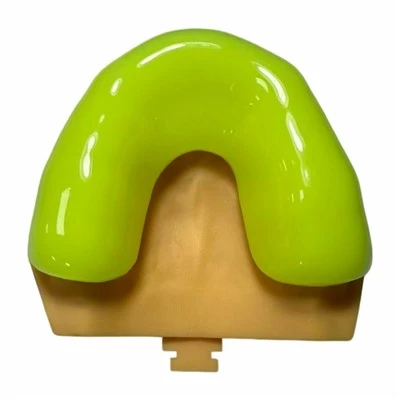
Porcelain Fused To Metal At the end of the day, the best part about a malo bridge is that it’s not a replacement that makes you feel like you have “false teeth.” It’s a restoration that lets you eat, talk, and smile like you did before you lost your teeth. Yeah, there’s a small difference in nerve feel, but for most people, that’s a tiny trade-off for a life without gaps, denture glue, or being self-conscious in social settings.
References
- The International Journal of Oral & Maxillofacial Implants. "Patient-Reported Outcomes of Fixed Implant-Supported Bridges Over 10 Years." 2021.
- Journal of Prosthetic Dentistry. "Comparison of Sensory Feedback Between Natural Teeth and Implant-Supported Restorations." 2019.
- Malo, P. et al. "Fixed Immediate Loading with Malo Bridge Concept: 5-Year Clinical and Radiographic Results." Clinical Oral Implants Research. 2010.
- Journal of Esthetic and Restorative Dentistry. "Customization of Implant-Supported Bridges for Natural Feeling and Aesthetics." 2022.
Shenzhen Tuomei Dental Technology Co., Ltd.
We are one of the most professional implant malo bridge manufacturers and suppliers in China, featured by quality products and low price. Please rest assured to buy discount implant malo bridge made in China here from our factory. Welcome to view our website for more information.
Address: Room 301, Building C Fuhe Industrial Park No.18 Hexiu West Road, Zhancheng Community Fuhai Subdistrict, Bao’an District, Shenzhen, Guangdong, China
E-mail: dentallab.works@gmail.com
WebSite: https://www.sztuomeidentallab.com/
