When I meet architects, construction managers, and property owners at industry trade shows or on-site project visits, the question I hear most often is: “What makes aluminum curtain walls stand out from other cladding options?” As a third-generation building curtain wall supplier with 22 years of hands-on experience installing and maintaining these systems, I’ve seen first-hand how aluminum isn’t just a material—it’s a solution tailored to the unique demands of modern construction. I’ve put up with heated debates at project meetings about whether steel or aluminum is better for high-rise facades, weathered the frustration of rush orders for urgent renovation projects, and celebrated the relief of clients who avoided costly repairs thanks to the durability of the systems we supply. Today, I want to break down the core characteristics of aluminum curtain walls that make them the go-to choice for projects ranging from 10-story office towers to boutique mixed-use buildings. Building Curtain Wall
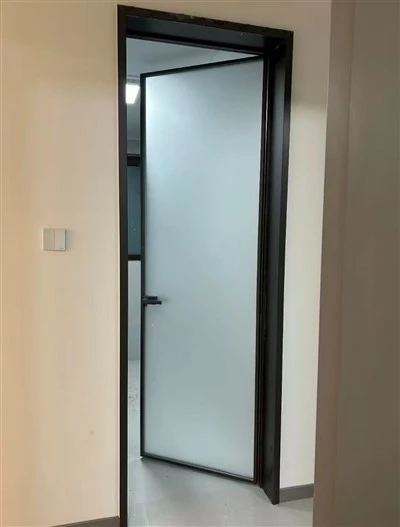
First, let’s talk about material durability, and this isn’t just a marketing buzzword. Aluminum is a naturally corrosion-resistant metal, thanks to a thin, self-forming oxide layer that develops when it’s exposed to air. Unlike steel, which requires galvanizing or regular painting to prevent rust from eating through the structure, that oxide layer acts as a permanent, invisible shield. Even in harsh environments—think coastal areas with salt air, or industrial zones with high levels of pollutants—that layer repairs itself if it’s scratched or damaged. I’ve supplied curtain walls for a hotel 50 feet from the Atlantic Ocean that’s now 18 years old; a recent inspection by our maintenance team showed only minimal discoloration, no pitting, and zero structural corrosion. Compare that to the steel curtain wall we installed on a similar coastal hotel back in 2001, which required $120,000 in rust repairs and coating replacement by its 10th year. That difference isn’t just a cost saver—it’s a peace of mind for building owners who plan to hold their property for decades.
Another key characteristic is lightweight strength, and this is a make-or-break factor for both new construction and retrofits. Aluminum has about a third the density of steel, which means a 10-foot aluminum curtain wall panel weighs roughly half as much as a steel panel of the same size and dimensions. For new high-rises, that lighter weight reduces the overall structural load on the building’s frame, cutting down on the amount of concrete and steel needed for the foundation. On a 35-story office tower we supplied in downtown Chicago in 2019, the lighter aluminum curtain wall allowed the structural engineers to reduce the foundation’s steel用量 by 12%, saving the project team nearly $800,000 in material and installation costs. For retrofits—where you’re updating the facade of an older building that can’t support heavy additional weight—aluminum is often the only feasible option. Last year, we worked on a 1920s-era retail building in Boston that needed a full facade upgrade to meet modern energy codes; the original brick and stone cladding was too heavy to remove, but we designed a custom aluminum stick system that mounted directly to the existing structural frame without adding excess load, allowing the project to move forward without costly structural reinforcements.
Thermal performance is another critical characteristic, especially as more regions adopt strict energy efficiency codes. Early aluminum curtain walls were problematic because metal conducts heat quickly, leading to thermal bridging where heat escapes in winter or enters in summer. But modern aluminum curtain walls fix that with thermal breaks—insulating strips made of polyamide, a heat-resistant polymer, that separate the interior and exterior aluminum sections. This breaks the conductive path, reducing energy loss by up to 40% compared to unbroken aluminum systems. We test every batch of our aluminum panels in an independent lab, and our most energy-efficient models exceed the U.S. Department of Energy’s Energy Star standards by 15%. A client of ours in Phoenix told us last year that their energy bills dropped by 22% after installing our aluminum curtain walls, thanks to the thermal breaks reducing air conditioning load. That’s not just a win for the environment—it’s a tangible return on investment for building owners, who typically recoup the cost of the wall’s energy efficiency within 8 to 10 years.
Design flexibility is what really sets aluminum curtain walls apart for architects who want to create unique, eye-catching facades. Aluminum is highly malleable, which means it can be extruded into almost any shape—from sleek, thin frames for a minimalist glass facade, to custom curves, angles, and even perforated patterns for sun shading. We recently supplied a project in Miami where the architect wanted a facade that mirrored the waves of the nearby Atlantic Ocean; our engineers worked with them to extrude aluminum panels with undulating curves, and the finish we used—anodized aluminum with a matte silver coating—catches the light to create a dynamic, moving appearance as the sun shifts throughout the day. Unlike other materials like stone or concrete, which require heavy machinery and long lead times to shape, aluminum panels can be custom-fabricated in our workshop in 2 to 4 weeks, and installed on-site quickly. That speed cuts project timelines by up to 20% compared to masonry facades, which is a huge benefit for projects operating on tight deadlines.
Maintenance ease is a characteristic that many first-time buyers overlook, but it’s a major long-term cost factor. Aluminum curtain walls require very little upkeep compared to other cladding options. The anodized or powder-coat finishes we apply to our panels are scratch-resistant, UV-resistant, and don’t fade for 15 to 20 years. Cleaning the facade only needs to happen every 2 to 3 years, depending on the environment—simply washing the panels with mild soap and water removes dirt and pollution buildup. I’ve seen stone facades that need power washing every year to prevent mold and discoloration, and vinyl cladding that cracks and discolors within 10 years, requiring full replacement. The total annual maintenance cost for an aluminum curtain wall is roughly $0.50 to $1 per square foot, compared to $2 to $3 per square foot for masonry or vinyl. That’s a difference of thousands of dollars a year for a 10,000 square foot facade.
Of course, no discussion of characteristics would be complete without talking about sustainability—something that’s increasingly important for commercial and residential projects alike. Aluminum is 100% recyclable, and the recycling rate for aluminum is over 90% globally, according to industry data. When a building reaches the end of its life, the curtain wall panels can be melted down and reused to make new aluminum products, with almost no loss of quality. Compare that to steel, which has a 75% recycling rate, and vinyl, which is barely recyclable at all and often ends up in landfills. When we supply aluminum curtain walls, we source 65% of our aluminum from post-consumer recycled stock, cutting the carbon footprint of each panel by 30% compared to virgin aluminum. That’s a big selling point for clients pursuing LEED or BREEAM certification, which reward sustainable building materials.
Now, I want to be transparent: aluminum curtain walls aren’t the right choice for every project. For example, if you’re building a small, low-rise structure with a tight budget, a vinyl or fiber cement facade might be more cost-effective upfront. But for mid-rise and high-rise projects, retrofits, and buildings where long-term performance and design matter, aluminum is hard to beat. I’ve turned down dozens of projects over the years where a client initially asked for aluminum, but after discussing their specific needs—like a very tight budget, or a small footprint that doesn’t need structural load savings—we recommended a different, more appropriate option. That’s the kind of honest advice you won’t get from a big-box supplier, and it’s why I’ve built a client base that keeps coming back.
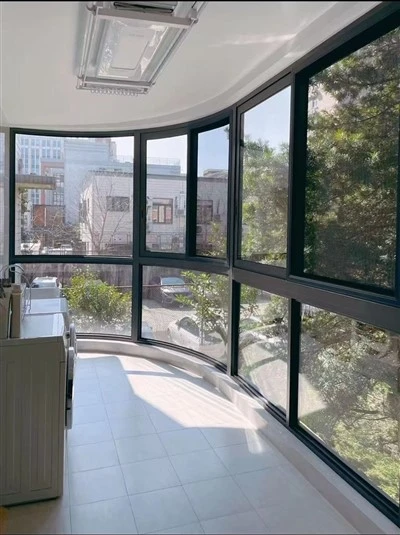
If you’re a construction manager, architect, or property owner looking for a cladding solution that balances durability, performance, design, and value, our team can walk you through every step of the process—from initial design consultations to on-site installation support. We have over two decades of experience working on commercial, residential, and institutional projects, and we can custom-design an aluminum curtain wall that meets your exact specifications, budget, and timeline. Reach out to our team to schedule a consultation, and let’s talk about how we can bring your vision to life.
Aluminum Doors and Windows References
- American Aluminum Association. (2022). Aluminum in Construction: Properties and Applications.
- U.S. Department of Energy. (2023). Energy-Efficient Curtain Walls for Commercial Buildings.
- National Building Specification. (2021). Cladding Materials: Performance and Maintenance Guidelines.
- Construction Industry Institute. (2020). Structural Load Impacts of Alternative Facade Materials.
Huangshan City Anxin Decoration Company
We are one of the most reliable building curtain wall manufacturers and suppliers in China. With a professional production team, we are able to meet the needs of the majority of our customers. Please feel free to wholesale customized building curtain wall made in China here from our factory. Contact us for more details.
Address: Donglinxi Town,Xiuning County,Huangshan City,Anhui Province
E-mail: 1002501553@qq.com
WebSite: https://www.anxinfacade.com/
